Cutting through tough materials is a heavy challenge that tests both the operator and the machine. Having the right tools saves time, prevents broken equipment, and keeps your projects moving forward smoothly. This article dives deep into everything you need to know about selecting a blade for metal cutting. From matching tooth counts to material thickness, to exploring advanced carbide options, we cover it all. It is definitely worth reading because making the right choices will drastically extend tool life, reduce your overall costs, and deliver cleaner, faster cuts every single time.
What Makes a Good Metal Cutting Bandsaw Blade?
A machine is only as good as its cutting edge. When you fire up a cutting bandsaw, the friction and stress are immense. A good tool requires a truly great accessory to perform well. You absolutely need the correct blade material to handle the intense heat generated during the cut. If the material is weak, it will snap.
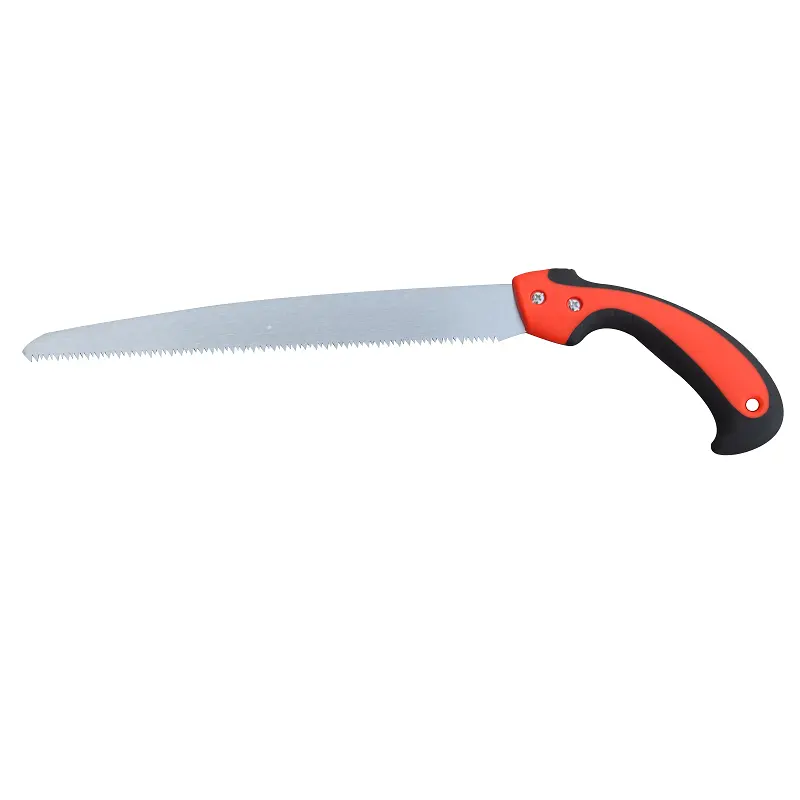
Just like a high-quality Folding saw needs a tough edge to slice through thick, dense branches in the garden, a heavy-duty band saw requires exceptionally durable teeth to handle industrial work. The way a blade is made directly impacts its overall performance and longevity. High-quality metal cutting bandsaw blades resist thermal wear and hold their sharpness for an extended period.
How to Choose the Right TPI for Your Cutting Bandsaw?
TPI stands for teeth per inch. Finding the correct tooth count is vital for your success. If you regularly cut thin materials, you desperately need a high number of teeth so the saw does not snag and ruin the workpiece. A fine pitch ensures a smooth, even slice.
A golden rule in machining is to keep at least 3 teeth in the material at all times. This prevents the teeth in the cut from stripping off the metal band. A fine 14-18 tpi blade works beautifully on thinner stock and sheet metal. Meanwhile, a standard 14 tpi is widely seen as a reliable, general purpose blade for medium thickness tasks. Always double-check your material thickness against the recommended TPI chart.
Carbon Steel vs. Bi-Metal: Which Blade Material is Best?
The debate over materials is endless in the machining world. A basic carbon steel blade offers a noticeably lower cost for budget-conscious shops. These standard carbon blades are fantastic for slicing softer materials like plastic, aluminum, or mild steel. They flex well and get the job done quickly.
However, if you face tougher, daily jobs, you will absolutely want a bi-metal blade. Bimetal is a brilliant feat of engineering. It physically welds a high-speed steel edge (HSS) directly to a highly flexible steel back. Bimetal blades last much longer than simple steel blades. Therefore, if extreme durability is your main goal, bi-metal is exactly the way to go.
When Should You Use Carbide for Metal Cutting Bandsaws?
Carbide is the ultimate, premium choice for extreme hardness. When standard tool steel fails, carbide steps up. Carbide teeth can easily slice through titanium, aerospace components, and exotic alloys without flinching. They handle the heat that destroys other tools.
Carbide blades cost significantly more upfront, but when cutting harder materials, their value is completely unmatched. They outlast standard steel teeth by a massive margin. Upgrading to a carbide blade for metal cutting bandsaw will instantly transform a miserable, tough job into a surprisingly quick task.
How Does a Variable Pitch Blade Improve the Cut?
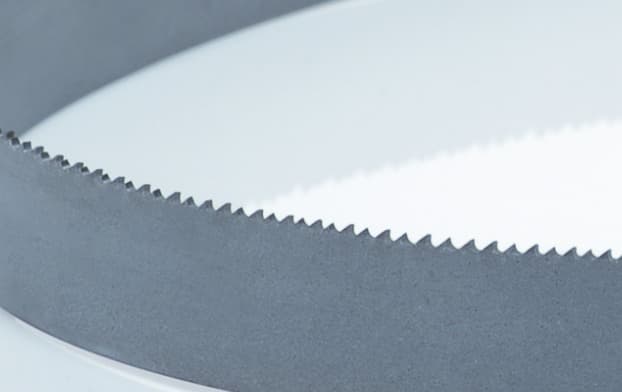
Harmonics and vibrations can quickly ruin a perfect cut. A variable pitch design elegantly mixes different tooth sizes on the exact same band. For instance, a 10-14 variable pitch blade breaks up the rhythmic vibrations that cause loud chatter. This makes the machine run smoother.
This continually varying spacing also changes the physical size of the gullet between the teeth. It clears away chips much faster than a standard pitch blade. Because of this, the kerf stays clean, the saw blade runs much quieter, and the cut finish is drastically improved.
What is the Best Blade for Cutting Solid Steel vs Tubing?
Solid pieces of metal require big, aggressive teeth. You need a low TPI to effectively clear the heavy metal chips out of the way. If you have too many teeth in contact with a large solid block, the gullets will clog, and it will bog down the machine entirely.
Tubing is incredibly tricky. You must have enough teeth engaged on the pipe wall so the thin walls don't violently break the teeth off. Whether you are slicing a heavy alloy pipe or making a delicate contour cut on exhaust tubing, matching the tooth pitch to the wall thickness is the absolute secret to success.
Can You Use a Wood Cutting Bandsaw for Metal Cutting?
This is a common question, but the answer is a firm no. A vertical bandsaw built exclusively for wood runs at a very fast speed. Metal cutting requires extremely slow, deliberate speeds. Simply slapping a metal cutting blade onto a wood saw is highly dangerous and will instantly ruin the blade.
Furthermore, wood saws often use a flexible, thick resaw blade like 025 or 035 inch stock. Heavy industrial metal saws might utilize massive 063 stock for incredible rigidity. Wood cutting bandsaws fundamentally lack the heavy gear reduction needed to slow the blade down enough to safely cut steel.
How to Increase Blade Life and Get the Best Results?
Heat destroys tools rapidly. To significantly extend blade life, you must manage the temperature. Running your machine at the correct feet per minute is critical. Pushing too much FPM creates extreme, damaging friction that dulls the cutting edge in seconds.
Always use a high-quality coolant or properly lubricate the cut. Liquid washes away hot chips and keeps the blade cool. Following these steps guarantees the best results. Similar to keeping a precision Hand saw sharp and clean for intricate woodwork, a bandsaw needs a clean, well-lubricated environment to thrive and survive.
What Are the Top Brands Like Lenox and Starrett?
Investing in quality brands matters immensely in metalworking. Lenox produces the world-famous diemaster 2, which is considered a legendary bimetal bandsaw option by many professionals. It cuts straight and lasts through rigorous abuse.
Other heavy hitters in the industry include Starrett and Morse. These companies craft outstanding bimetal bandsaw blades that withstand heavy industrial wear. Even if you are just buying a small loop for a handheld portaband, choosing a reputable brand ensures you get top-tier performance instead of a broken steel band.
How to Change Blades and Maintain Your Metal Cutting Bandsaw?
You must change blades the moment they become dull. Continuing to push a dull, worn-out toothed band into a piece of steel only damages the machine's bearings and ruins your workpiece. It is a false economy to use a dead blade. Just like swapping out the edge on a Waist saw with replaceable saw blade, fresh teeth make the work effortless.
Many large fabrication shops buy huge rolls of raw blade stock. They use a specialized welder to create their own custom loops. They carefully weld and then precisely braze the ends together to fit their exact machines. This requires training and skill, but it saves substantial money for high-volume shops running multiple metal cutting bandsaws.
Summary of Key Takeaways
- Match TPI to Thickness: Always ensure you have the correct number of teeth per inch; aim for at least 3 teeth in the material to prevent stripping.
- Choose the Right Material: Use standard carbon steel for softer materials to save money, but upgrade to a bi-metal blade for cutting structural steel and daily industrial use.
- Embrace Carbide for Tough Jobs: When dealing with titanium or aerospace alloys, carbide teeth provide the extreme heat resistance necessary to finish the job.
- Control Your Speed: Always operate at the correct feet per minute (FPM) and use coolant to lubricate the cut, drastically extending the life of your blade.
- Avoid Wood Saws for Metal: Never use a wood cutting bandsaw for metal tasks, as the speeds are far too high and will instantly destroy the teeth.
- Consider Variable Pitch: A variable pitch blade breaks up harmonic vibrations, offering a cleaner, quieter cut on difficult shapes like tubing.
Post time: 06-25-2026