Building walls is tough work. But the right tools make it much easier. If you buy tools in bulk for hardware stores, you know a good saw matters. A poor tool ruins a job. A high-quality saw saves time. This article explains how to choose the right saw for your projects. You will discover exactly why picking the correct tool saves headaches. We will explore everything from a manual tool to complex power tools. Whether you need a simple manual implement or a heavy-duty cutter, this guide is definitely worth reading to help you make smart choices for your business.
What Tool for Cutting Drywall is the Best for Cutting?
When you walk onto a job site, you see a variety of materials. You need the proper tool for cutting drywall. Without it, you will just make a mess. A good drywall saw makes the job quick. It slices right through the gypsum core. Many professionals agree that a manual saw is often the best for cutting panels quickly. You don't always need a loud motor.
If you are installing new walls, you need to cut through drywall cleanly. A saw can cut it with ease if it has the right teeth. A wallboard saw is specifically used for cutting this chalky material. Unlike a circular saw which creates massive dust clouds, a manual tool keeps the mess small. It is perfect for tight spaces. Every pro keeps one ready. It is simply one of the most essential tools you can own.
You must remember that a saw works best when the teeth are sharp. You want clean edges. If the tool is dull, it will tear the paper backing. This causes more work later. Always check your blade before you start. A reliable wall panel saw makes the job much smoother.
Why Every Beginner Needs a Jab Saw
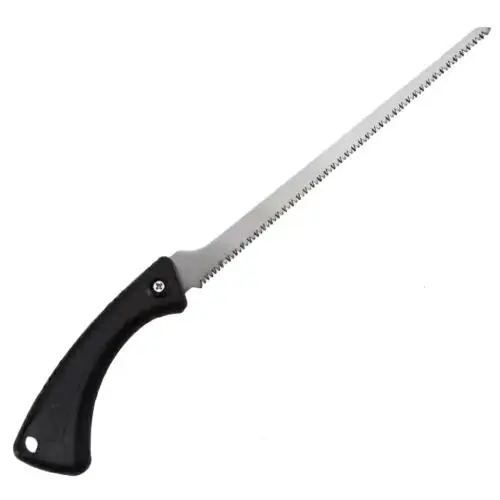
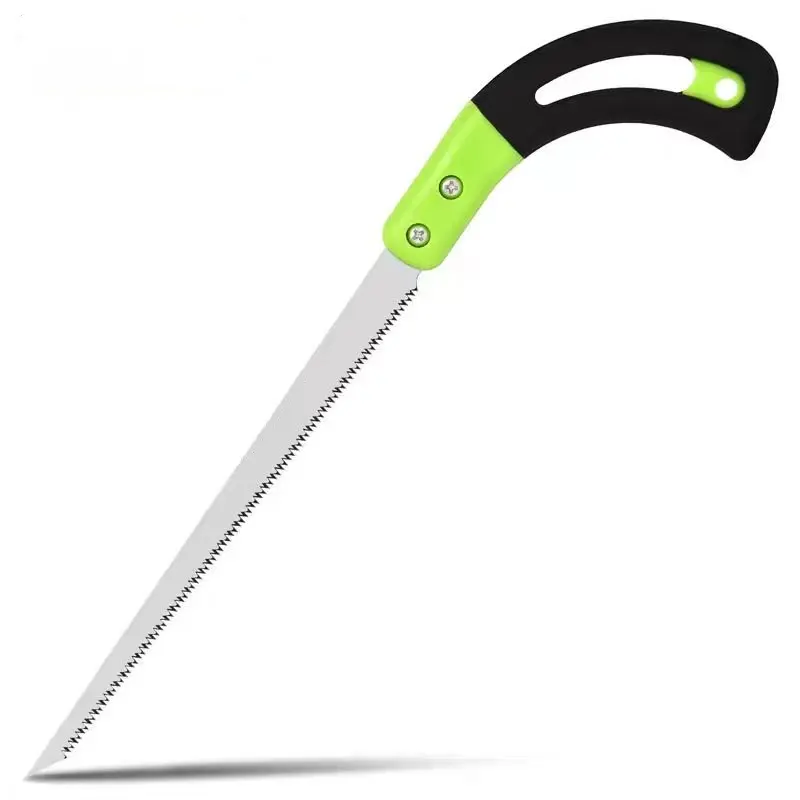
A jab tool is amazing. If you are a beginner, you might not know what it is. It has a long, skinny blade. It also has a very sharp point at the tip. This tip is crucial. It lets you stab directly into the center of a panel. You do not need to start from the edge. This is called a plunge cut.
Once you push it through, you use a sawing motion. This saw is also fantastic for cutting holes for electrical outlets. You stab, saw, and pull the piece out. It is very simple. Even a home improvement enthusiast can learn to use it in five minutes. It is a vital part of any good toolbox.
You will find this tool highly versatile. It handles drywall and sheetrock perfectly. It is light and easy to hold. The handle usually has a rubber grip. This stops your hand from slipping when you push hard. You will love having this tool in your kit.
Using a Keyhole Saw and Hand Saw for Cutting Drywall
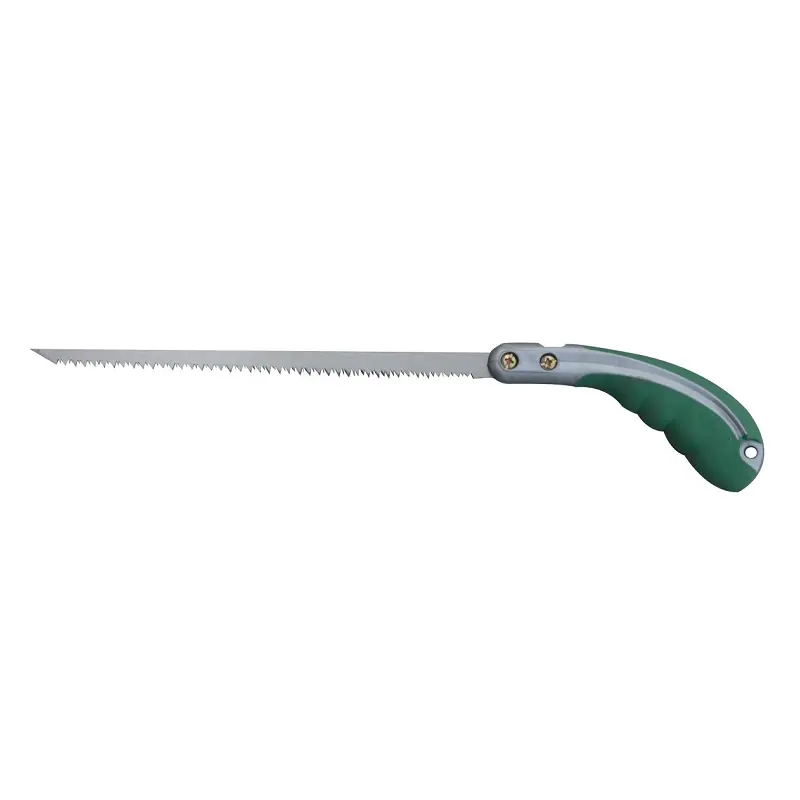
Let us talk about the keyhole saw. It looks a lot like a jab tool. But a keyhole tool is usually a bit finer. It is used for cutting smaller, tighter curves. If you need precision around a pipe or a small fixture, this is what you grab. It gives you great control. You can turn it easily inside the cut.
A standard hand saw is different. It is much wider. This type of saw is wide. A traditional hand saw is better for long, straight cuts across a board. However, a hand saw can be too bulky for small detail work. That is why having different types of tools is smart. You use the big one for long cuts. You use the small one for the tricky parts.
For example, if you are cutting drywall panels to fit a whole room, use a big blade. It saves your arm. But for the small gaps, the smaller tool is perfect. Mixing sheetrock and drywall tasks means you switch tools often. A smart worker knows when to swap them out.
Selecting the Right Blade for Your Wallboard Saw
The secret to any cutting tool is the blade. The right blade makes all the difference. Wallboard is abrasive. It dulls metal quickly. You need a blade made of tough steel. High-carbon steel is a great choice. It stays sharp much longer than cheap metal.
A wallboard saw usually has very coarse teeth. These teeth clear the chalky dust out of the cut quickly. If the teeth clog, the saw stops and starts tearing. You want a saw blade that clears itself. You want it to make accurate cuts every single time.
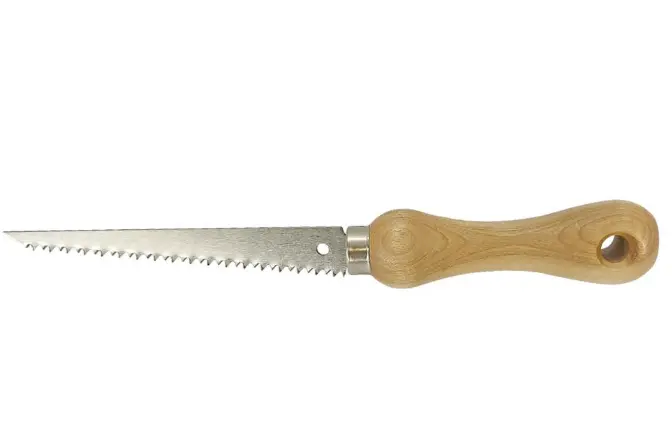
You also need to think about the angle. A comfortable angle on the handle reduces wrist pain. If you cut all day, a bad handle hurts. Ergonomics are critical for hand tools. A comfortable handle helps you guide the saw for straight or curved lines effortlessly. Check out a quality black handle wall saw to see a good handle in action.
Reciprocating Saw vs. Hole Saw for the Workplace
Sometimes manual tools are not enough. A motorized reciprocating tool brings serious power. It has a motor that pushes the blade back and forth extremely fast. It is a beast in the workplace. You use it when you need to demolish old walls. It rips through wood, nails, and plasterboard easily.
A circular cutter is completely different. It is an attachment for a power drill. It is shaped like a cup with teeth on the edge. It is used to cut perfect circles. If you need to install a round light in the ceiling, this is the tool. It is not for straight cuts. It does one specific job perfectly.
Both of these save massive amounts of time. But they are messy. They throw debris everywhere. You must wear safety glasses. While a manual tool is quiet and clean, these power tools are loud and dirty. They are meant for heavy duty tasks, not delicate trim work.
What Makes a Utility Knife Better for Versatility?
A simple utility knife is surprisingly handy. Many people use a knife instead of a saw for long, straight lines. They score the paper face of the board with the cutter. Then, they snap the board backward. Finally, they cut the paper on the back. It is incredibly fast.
But a knife cannot cut curves. It cannot cut a hole in the middle of a panel. That is where a saw shines. A saw is another option that provides unmatched versatility. You can use it to cut odd shapes. You can use a saw to make a square hole for a light switch. A knife simply cannot do that well.
So, they work together. You score with the knife. A saw can cut shapes. A saw is better than a knife for this detail work. Using both makes you much faster. It keeps your cuts neat and professional.
Dealing with Dust Collection While You Work
Dust is a massive problem when using a saw. Cutting these materials creates fine, white powder. It gets in your eyes. It gets in your lungs. It covers the entire room. Dust collection is super important. Some power tools have vacuums attached. They suck up the dust as you cut. This is a brilliant feature for indoor jobs.
When using a manual saw, you don't have a vacuum attachment. You just have to sweep up later. But a manual tool creates larger dust particles that fall straight down. They don't float in the air as much as power tool dust. This makes the air cleaner to breathe.
Always wear a mask anyway. Even a little dust is bad for you. Keep your workshop or job site ventilated. Open a window if you can. A clean area is a safe area. Do not ignore the dust issue when planning your project.
Can Your Tool Handle Plywood and Woodworking?
People often ask if their drywall tools can cut wood. The answer is yes and no. Can your saw cut wood? A saw might, but weakly. A jab tool can cut thin wood like paneling. But it is not meant for heavy woodworking. The teeth are too coarse. They will leave a very rough edge on wood.
If you want to cut wood, use a proper wood tool. A dovetail saw is great for fine joints. A coping saw is perfect for tricky curves in trim. A miter saw is what you use for cutting molding accurately. A saw for wood is different. Do not use your wallboard tool for these jobs. It will ruin the wood.
However, for rough cuts in framing, you can use a crosscut tool or a bow saw. If you are doing multi-material cutting, you might need a special blade. Some blades are designed to cut a little bit of everything. But specialized tools always give better results. Keep your reliable hand saw for wood, and your jab tool for the walls.
Why Saws are Designed for Specific Materials
Think about a typical day on a job site. Pick up a saw. A saw is useful. A saw is your friend. You might use a hacksaw to cut a metal track. You might use a pruning saw to clear a small branch outside the window. You will definitely use your drywall saw constantly. It is an extension of your arm.
Because you use it so much, comfort is key. You want a tool that does not cause blisters. Saws are designed with different handles for a reason. Try several to find what fits your hand. If your hand cramps, you will work slower. A comfortable tool makes the day go faster.
Consider the materials too. Sometimes you hit a piece of hardwood or a sheet of plywood behind the wall. Your blade needs to handle that surprise without breaking. A tough, versatile blade gives you peace of mind. You never know exactly what is hiding behind the wall.
Final Thoughts on Precision and Materials
Getting the perfect fit requires precision. If you cut a hole too big, you have to patch it. Patching takes hours of drying and sanding. It is a huge waste of time. A good saw helps you avoid this. It lets you guide the saw exactly on the pencil line.
Remember, these tools are not for everything. Do not use them on tile, laminate, or fiberglass. Those materials need diamond blades or fine-toothed metal blades. Using the wrong tool damages the tool and the material. Be smart. Match the saw blade to the job.
Whether you are installing a new cabinet or fixing a hole, the right tool is your best friend. Build a good collection. Having a hand saw for every specific need makes you a true professional. A saw shows you care about your craft and the final result.
The Most Important Things to Remember
- Always match the type of saw to the specific material you are cutting to avoid damage.
- A jab tool with a sharp point is absolutely necessary for making quick plunge cuts in the middle of a panel.
- Manual hand tools create less floating dust than power tools, keeping the air cleaner on indoor jobs.
- Do not use a coarse wallboard saw for fine woodworking or molding, as it will leave jagged edges.
- Ergonomic handles are critical; a comfortable grip prevents hand fatigue during long, busy workdays.
- A utility knife is great for straight scoring, but a keyhole saw is required for cutting precise curves and outlet holes.
- A reliable saw is essential for any professional toolbox.
Post time: 05-28-2026