A productive orchard, whether it's a few trees in your backyard or sprawling commercial blocks, is a source of immense satisfaction. However, a healthy fruit harvest doesn't happen by accident. Proper care is essential, and no single task is more critical to the long-term health and productivity of your fruit tree collection than pruning. As a manufacturer of fine gardening tools, I, Chen Wei of Shandong Shunkun, have spoken with countless growers, from hobbyists to the owners of large commercial orchards. They all agree: understanding how to prune is the key to managing everything from fruit size to devastating diseases like fire blight. This guide will walk you through the essential techniques and knowledge you need to prune your orchard effectively, ensuring you not only get a bountiful harvest but also prevent the spread of disease and insect infestations.
Why is Pruning So Critical for Fruit Tree Health in a Home Orchard?
For many new growers, taking a saw or shears to a perfectly healthy-looking fruit tree can feel counterintuitive. Yet, this is one of the most beneficial things you can do for it. Proper pruning is a foundational practice in any orchard, especially a home orchard where individual tree health is paramount. The primary goal is to manage the tree's shape and structure. By removing crowded, crossing, or weak branches, you create a strong framework that can support a heavy fruit load without breaking. This selective removal also directs the tree's energy into producing high-quality fruit rather than excessive wood and leaves.
Beyond structure, pruning significantly impacts fruit quality and size. A dense, unpruned tree produces a large quantity of small, poorly colored, and often flavorless fruit because sunlight cannot penetrate the canopy. By thinning out the branches, you allow sunlight to reach the developing fruit, which is essential for sugar production and color development. Furthermore, strategic pruning cuts can be used for fruit thinning, removing some of the potential blossom sites to ensure the remaining fruit grows larger and healthier. A well-pruned tree fruit is not only more abundant but also of a much higher quality.
What is the Difference Between Dormant Pruning and Summer Pruning?
Pruning isn't a one-size-fits-all task performed at any time of year. The timing of your cuts has a profound effect on tree growth and fruit production. The two main periods for pruning are the dormant season and the summer. Dormant pruning, done in late winter or early spring before the buds break, is the most common and significant pruning a fruit tree will receive. Because the tree is not actively growing, removing branches is less stressful. This is the time to make major structural cuts, remove large branches, and establish the overall shape of the tree. A major benefit of dormant pruning is that without leaves, you can easily see the tree's entire structure and identify problem branches.
Summer pruning, on the other hand, is done on a much smaller scale during the active growing season. Its primary purpose is to control vigorous growth and improve light penetration. This often involves removing "watersprouts" (fast-growing vertical shoots) and thinning out leafy areas to expose developing fruit to more sun. While dormant pruning invigorates a tree and encourages new growth in the spring, summer pruning has a dwarfing effect and can help control the size of overly vigorous trees. Both types of pruning are valuable management tools, but the heavy lifting of shaping and correcting your fruit tree should always be done during the dormant season.
How Does Proper Pruning Help with Disease Control?
One of the most crucial benefits of a regular pruning regimen is disease control. Many common orchard diseases, especially fungal disease types like brown rot and powdery mildew, thrive in damp, stagnant conditions. A thick, unpruned canopy traps moisture and humidity, creating the perfect breeding ground for these pathogens. Proper pruning opens up the tree, dramatically improving air circulation. When wind can move freely through the branches, it dries the leaves and fruit much faster after rain or morning dew, significantly reducing the window of opportunity for fungal spores to germinate and infect the tree.
This practice is a cornerstone of preventative disease management. By removing dead, damaged, or diseased wood, you are physically removing the sources of disease inoculum from the orchard. Old, dead branches can harbor fungal spores that will release and spread with the next rain. Similarly, cutting out branches that rub against each other prevents wounds that can become entry points for bacterial diseases. Good air circulation not only prevents disease development but also allows for better coverage if you need to apply organic or chemical sprays, making your entire disease and insect control program more effective.
What are the Most Common Fungal and Bacterial Diseases in a Fruit Orchard?
Knowing your enemy is half the battle. A successful orchard manager can identify the most common disease problems that affect their specific types of fruit. While the list is long, a few key culprits cause the most trouble in both commercial orchards and the backyard home orchard. Understanding these can help you tailor your pruning and disease control strategies.
Here is a table of common orchard diseases:
| Disease Name | Type | Primary Hosts | Symptoms | Pruning Strategy |
|---|---|---|---|---|
| Apple Scab | Fungal | Apples, Crabapples | Olive-green to brown spots on leaves and fruit, leading to cracked, scabby fruit. | Increase air circulation. Remove fallen leaves in autumn where the fungus overwinters. |
| Brown Rot | Fungal | Peach, Plum, Cherry (stone fruits) | Blossom blight (wilting flowers), twig cankers, and soft, brown rotting spots on fruit. | Prune out cankers and remove mummified fruit from the tree and ground. |
| Powdery Mildew | Fungal | Apples, Peach, Cherry | White, powdery patches on leaves and fruit. Stunted, distorted growth. | Prune out heavily infected shoots during the dormant season to reduce overwintering spores. |
| Fire Blight | Bacterial | Apples and Pears | Scorched, blackened leaves and shoots ("shepherd's crook"), oozing cankers. | Aggressively cut out infected wood well below the visible symptoms. Crucial to disinfect tools. |
Many of these diseases overwinter on the tree itself—in cankers, on dead twigs, or in mummified fruit left hanging from a branch. This is why a thorough dormant season pruning is so effective; it allows you to remove these sources of infection before the new growing season begins and disease pressure builds.
Can You Actually Spread Disease with Your Pruning Tools?
Yes, absolutely. This is one of the most overlooked aspects of orchard hygiene and a primary way growers accidentally spread disease. Your pruning tool—whether it's shears, loppers, or a saw—can easily pick up bacterial cells or fungal spores from an infected branch. When you then move to a healthy tree and make a fresh cut, you are creating an open wound and introducing the pathogen directly into the tree's vascular system. It's the equivalent of a surgeon using a contaminated scalpel. This is especially true for highly infectious bacterial disease like fire blight, where a single contaminated cut can doom a young tree.
To prevent the spread of disease, it is critical to disinfect pruning tools. The best practice is to clean your tools between cuts when working on a tree known to have a serious plant disease. At a minimum, you should always disinfect your pruning equipment when moving from one tree to the next. A simple and effective solution is a 10% bleach solution (one part bleach to nine parts water) or a 70% isopropyl alcohol spray. As manufacturers of high-quality tools, we at Shandong Shunkun know that a clean, sharp blade is your first line of defense. A smooth steel blade, like the one on our expertly crafted Fruit Tree Saw, is easier to clean and less likely to harbor pathogens than a rusty or pitted one. Taking a few extra seconds to disinfect is one of the most effective steps in reducing the spread of disease in your orchard.
What is Fire Blight and How Should You Prune to Manage It?
Fire blight is the most feared bacterial disease of apples and pears. It is aggressive, spreads rapidly, and can kill entire trees or even orchard blocks. The bacteria typically enter the tree through open flowers (blossom infection) or wounds and then travel systemically through the branches. The classic disease symptoms include shoots that wilt and turn black as if scorched by fire, often with the tip bending over into a "shepherd's crook" shape. The key to managing fire blight is early detection and aggressive sanitation.
When you identify a fire blight infection, you must prune it out immediately, regardless of the time of year. Do not wait for the dormant season. The rule for cutting out blight is to make your cut at least 12 inches below the last visible sign of infection to ensure you remove all the bacteria that have moved ahead of the symptoms. This is not the time to be timid with your pruning shears. After every single cut, you must disinfect your pruning tool to prevent blight spread to other parts of the tree. The infected wood must be removed from the orchard and burned or disposed of immediately. There is no cure for fire blight, so this aggressive pruning is the only effective disease control measure.
How Does Pruning Affect Insect and Pest Populations?
While pruning is most directly associated with disease control, it also plays a significant role in managing insect pest populations. Many damaging insects, like the codling moth and oriental fruit moth, overwinter in protected places on the tree, such as under loose bark or in dead wood. A thorough dormant pruning that removes this kind of habitat can significantly reduce the overwintering pest populations before they have a chance to emerge in the spring. Removing mummified fruit is also crucial, as these can harbor the larvae of pests like the apple maggot.
Pruning also helps with insect control by making the tree a less hospitable environment. For example, aphids are often most prolific on the lush, tender growth of watersprouts; removing these during summer pruning can help keep their numbers in check. Perhaps most importantly, an open, well-pruned canopy allows for much better spray penetration. If you need to apply insecticides (even organic ones like horticultural oil or spinosad), good coverage is essential for them to be effective. In a dense, overgrown tree, it's nearly impossible to get the spray to reach every leaf and fruit, leaving protected areas where pest populations can thrive.
What Are the Best Practices for Pruning Specific Fruit Trees like Peach and Pear?
While the general principles of pruning apply to most fruit trees, different species have unique growth habits and require slightly different approaches. For instance, peach trees are pruned more heavily than most other fruit trees. They bear fruit exclusively on wood that grew the previous year, so an aggressive prune is necessary to stimulate the new growth needed for next year's crop. A peach tree is typically pruned to an open-center or "vase" shape, which allows maximum sunlight to reach the fruiting wood throughout the tree.
Apples and pears, on the other hand, are usually trained to a central leader system, with one main trunk and a series of scaffold branches radiating outwards. They develop long-lived fruiting spurs, so the goal is to prune to maintain a balance between old, spur-bearing wood and new wood for renewal. With pear trees, it is especially important to avoid excessive pruning, as this can stimulate a lot of succulent new growth that is highly susceptible to fire blight. For any specific fruit tree, consulting resources from your local cooperative extension or a trusted extension agent can provide invaluable, region-specific advice on the best pruning methods.
Are High-Density Planting Systems More Susceptible to Disease?
In modern commercial fruit production, there is a strong trend towards high-density planting systems. These systems involve planting smaller, dwarfing fruit tree varieties much closer together to maximize the yield per acre. While incredibly productive, these dense plantings can create challenges for disease and insect management. With trees packed so closely, air circulation can be significantly reduced compared to a traditional orchard with wide spacing. This can create a microclimate with higher humidity, which favors the development of fungal disease.
Furthermore, the close proximity of trees means that a plant disease can spread more rapidly from one tree to the next. An outbreak of powdery mildew or apple scab can quickly become an epidemic. Because of this heightened risk, growers using high-density planting systems must be even more diligent with their pruning and disease control programs. Pruning to maintain narrow, "fruit wall" canopies is essential to ensure light and air can penetrate the entire planting. This increased disease pressure is a trade-off for the higher yields these innovative systems provide.
What Are the Essential Tools for Safe and Effective Orchard Pruning?
Having the right tool for the job makes pruning safer, easier, and better for the tree. A clean, precise cut made by a sharp tool will heal much faster and is less likely to become an entry point for disease than a ragged tear from a dull or inappropriate tool. For any home orchard or commercial operation, a few essential tools are needed.
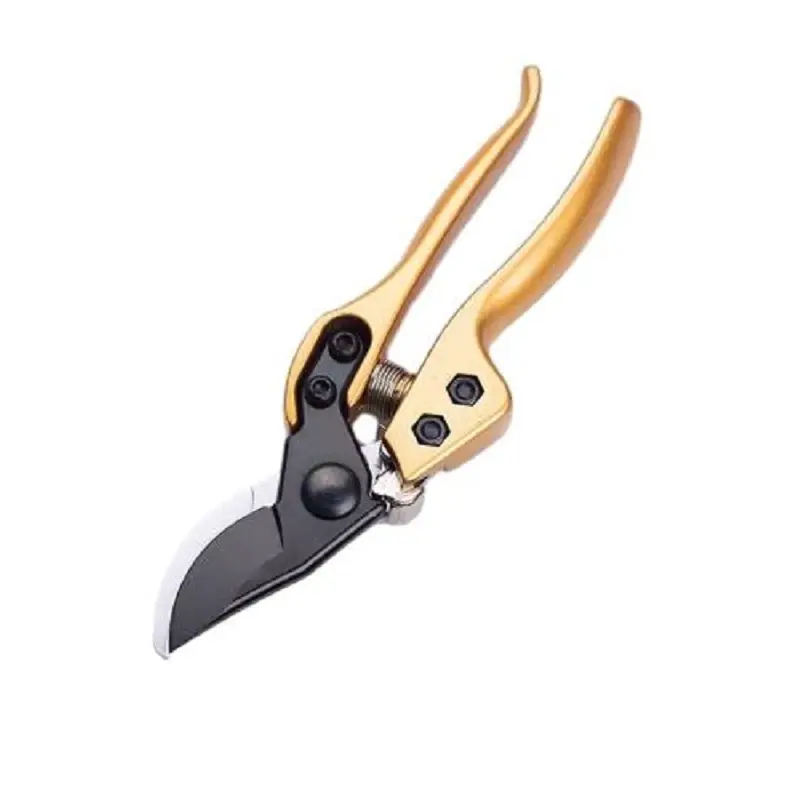
- Hand Pruning Shears: For cutting small branches up to 3/4 inch in diameter. A high-quality bypass pruner, which cuts like scissors, is essential for making clean cuts. Our line of ergonomic Gardening Shears is designed to reduce hand fatigue during long pruning sessions.
- Loppers: These are essentially long-handled pruning shears that provide greater leverage for cutting branches between 3/4 inch and 1.5 inches thick.
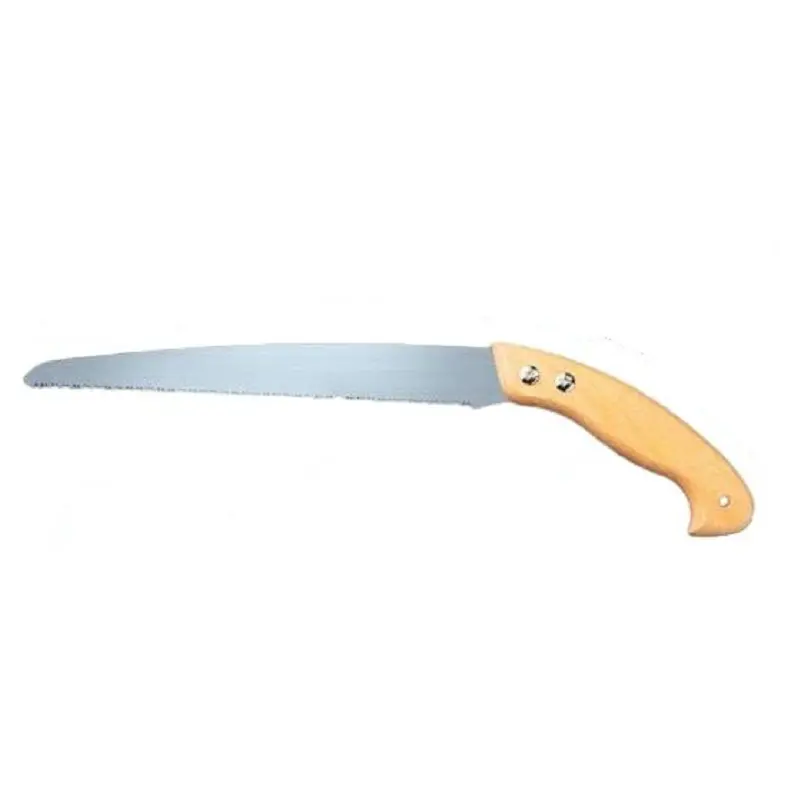
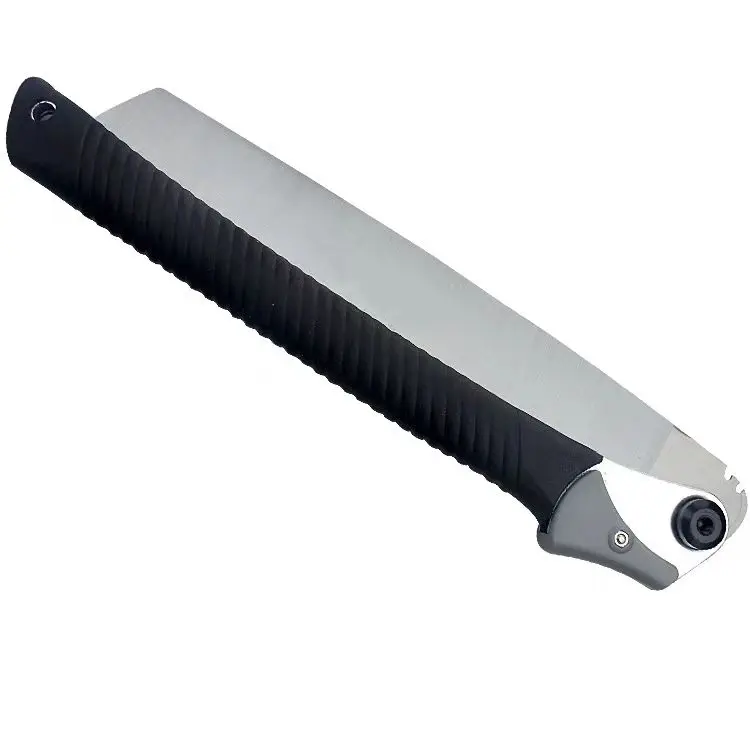
- Pruning Saw: For branches larger than 1.5 inches in diameter, a pruning saw is necessary. Unlike a carpentry saw, a good pruning saw has a curved blade and teeth designed to cut cleanly through green wood on the pull stroke. A quality Folding Saw is a safe and convenient option to carry around the orchard.
- Pole Saw/Pruner: To safely reach high branches without a ladder, a pole saw is an indispensable tool for any serious orchardist.
Investing in use high quality, sharp tools is not a luxury; it's a requirement for good orchard health. Always ensure your tools are clean, sharp, and well-maintained.
Key Takeaways
To ensure a healthy and productive orchard, remember these essential pruning principles:
- Prune with a Purpose: Pruning improves tree structure, enhances fruit quality, and is your most powerful tool for preventative disease and insect control.
- Timing is Everything: Perform major structural cuts during the dormant season. Use summer pruning sparingly to control growth and improve light exposure.
- Promote Airflow: The single best way to prevent common fungal disease like brown rot and powdery mildew is to prune for good air circulation.
- Sanitize Your Tools: Always disinfect pruning tools between trees, and after every cut when removing diseased wood like fire blight, to avoid spreading pathogens.
- Remove the Source: A thorough dormant prune should focus on removing all dead, damaged, and diseased wood, as well as any mummified fruit left on the tree.
- Use the Right Tool: Invest in sharp, high-quality hand pruners, loppers, and pruning saws to make clean cuts that heal quickly.
Post time: 10-27-2025