As an experienced saw manufacturer, I’m Chen Wei of Shandong Shunkun Hardware Tools. Over the years, I've learned that while any saw can cut straight, the true artistry in woodworking often reveals itself in the elegance of a perfect curve. For buyers like Brian Miller, who sources tools for a large market, understanding which saw blade is best for curved cuts is critical. It’s the difference between a high-quality tool that empowers a craftsman and a frustrating piece of equipment. This guide will demystify the process of cutting curves, explaining which types of saws, from the versatile jigsaw to the classic coping saw, are the best tools for the job and why they are designed the way they are.
Why Can't I Just Use My Circular Saw to Cut Curves?
This is one of the most common questions from budding woodworkers, and the answer lies in the fundamental design of the saw itself. A circular saw, along with its larger cousins like the table saw and miter saw, is built for one primary purpose: making fast, powerful, and perfectly straight cuts. The a circular saw blade is wide and rigid, which is excellent for stability when moving in a straight line but makes it physically incapable of turning or navigating a curve. Attempting to force a circular saw to cut a curve is not only ineffective but also extremely dangerous, as it can cause the saw to bind in the wood and kick back violently at the operator.
Think of it this way: a circular saw is like a train on a track. It's powerful and efficient on a straight path. A saw designed to cut curves, however, is more like a sports car—agile and built to handle turns. The blades on these saws are thin and narrow, allowing them to change direction easily within the cut. Tools like a track saw further emphasize this point; they are the pinnacle of guided, straight-line cutting. Understanding this core design difference is the first step to selecting the right saw for the job and ensuring both the quality of your work and your safety.
What is a Jigsaw and Why is it the Go-To Saw for Curves?
When it comes to versatile, powered curve-cutting, the jigsaw is king. This handheld power tool is a cornerstone of almost every workshop, from the DIY hobbyist to the professional contractor. The magic of the jigsaw lies in its design: it uses a short, thin, reciprocating (up-and-down) saw blade that is not supported at the bottom end. This freedom of movement allows the operator to guide the saw along nearly any curved line they can draw. Whether you're cutting a gentle arc in a piece of plywood or a more complex shape for a woodworking project, the jigsaw offers an unmatched combination of power and control.
Modern jigsaws come with a host of features that enhance their curve-cutting capabilities. Variable speed settings allow you to slow down for more precise control on tight curves and speed up for faster cuts on gentle ones. An orbital action setting moves the blade slightly forward on the cutting stroke, which helps clear sawdust and enables more aggressive cutting through wood, though it should be turned off for the cleanest, most precise cuts. Its ability to perform plunge cuts—starting a cut in the middle of a workpiece by tilting the saw forward—further adds to its versatility. For general-purpose woodworking, the jigsaw is often the first power tool a woodworker will grab when they need to cut curves.
What Role Do Hand Saws Like the Coping Saw Play in Fine Woodworking?
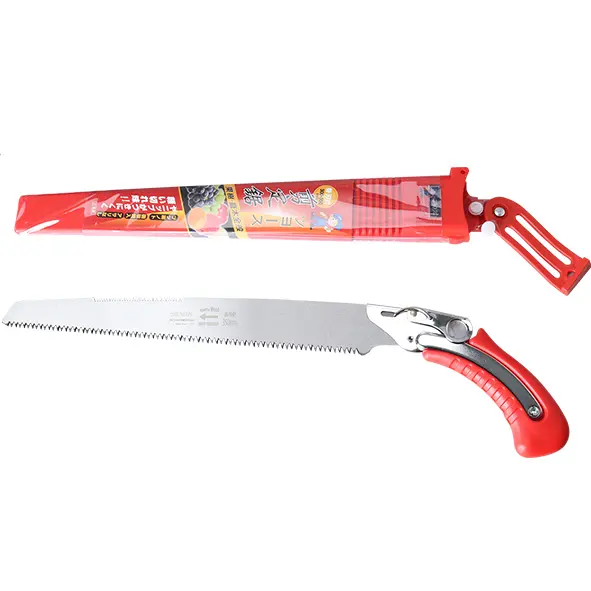
While the jigsaw is a master of versatility, there are times when a project demands a level of delicacy and precision that even the best power saws can't provide. This is where traditional handsaws shine, and for intricate curves, the coping saw is a masterpiece of simple, effective design. A coping saw consists of a U-shaped steel frame holding a very thin blade under tension. This blade is so narrow it can turn on a dime, making it the perfect tool for cutting extremely tight curves, complex profiles (like molding copes, which give the saw its name), and delicate interior cutouts.
Using a coping saw is a much slower and more methodical process than using a jigsaw, but it rewards the user with unparalleled control. The woodworker can easily rotate the blade relative to the frame, allowing them to approach the cut from the most comfortable angle. For fine woodworking tasks, such as creating decorative scrollwork or fitting intricate joints, the coping saw is indispensable. It teaches a craftsman patience and a true feel for how the blade interacts with the wood fibers. While we specialize in a range of saws, the principles of a good coping saw—a sharp, durable blade and a rigid frame—are universal to all great cutting tools.
How Do You Choose the Right Saw Blade for Cutting Curves?
The saw itself is only half the equation; the saw blade you choose is just as critical for achieving clean, accurate curved cuts. A blade designed for straight, fast cuts will perform poorly on a curve, and vice versa. As a manufacturer, this is where we focus much of our engineering—designing blades for specific purposes. When selecting a saw blade for your jigsaw or coping saw, there are two primary factors to consider: blade width and tooth count (TPI).
Here's a simple breakdown:
- Blade Width: This is the most important factor for cutting curves. The narrower the blade, the tighter the curve you can cut. A wider blade offers more stability for gentle curves or straight lines, but it will bind if you try to force it into a sharp turn. For intricate scrollwork with a jigsaw, you'll want to select the narrowest blade available.
- Teeth Per Inch (TPI): This determines the speed and smoothness of the cut.
- Low TPI (e.g., 6-10): These blades have large, aggressive teeth that remove material quickly. They are great for fast, rough cuts in softwood but will leave a coarse finish.
- High TPI (e.g., 12-20+): These blades have smaller teeth that cut more slowly but leave a much cleaner, smoother edge. They are ideal for hardwoods, plastics, and when the finish quality of the curve is important.
Choosing the right blade is a balancing act between the tightness of the curve and the desired finish. Always match the blade to both the material and the specific cutting tasks you have planned.
Jigsaw vs. Reciprocating Saw: Which is Better for Curved Cuts?
This is a common point of confusion, as both the jigsaw and the reciprocating saw use a similar up-and-down blade motion. However, these two power saws are designed for specific cutting tasks and are not interchangeable. While a jigsaw is a tool of relative finesse designed for controlled curves, a reciprocating saw (often known by the brand name Sawzall) is a tool of brute force, built primarily for demolition.
A reciprocating saw uses a much longer blade and a more aggressive, orbital cutting action. This makes it fantastic for quickly cutting through wood, pipes, and nails during renovation or deconstruction. You can certainly make a rough curve with a reciprocating saw—for example, cutting an archway in drywall—but it offers very little precision. The tool's power and vibration make it difficult to follow a line accurately, and it produces very rough cuts. The jigsaw, with its flat shoe that rests on the workpiece and its smaller, more controllable blade, is unequivocally the superior tool for any woodworking project that requires accurate and clean curved cuts.
What are the Best Saws for Extremely Tight Curves and Intricate Designs?
When your woodworking projects move beyond simple arcs and into the realm of detailed scrollwork, fretwork, or lettering, you need a specialized saw. While a coping saw is the best handheld option, two stationary power tools take this capability to the next level: the scroll saw and the band saw.
The scroll saw is the ultimate tool for intricate detail. It functions like a powered coping saw, using an extremely thin blade that moves up and down. Its small blade can be detached and threaded through a drilled hole, allowing for incredibly detailed interior cutouts that are impossible with any other saw. It's the tool of choice for making wooden puzzles, decorative inlays, and other delicate wood projects.
The band saw is another excellent curve-cutting machine, especially for thicker materials. It uses a long, continuous loop of a saw blade that runs around two wheels. While it can't make the interior cuts of a scroll saw, it can cut much faster and handle thicker stock. By choosing a narrow blade, a woodworker can use a band saw to cut surprisingly tight curves with great accuracy. It's often used for resawing lumber and creating curved furniture components. For demanding woodworking, having access to one of these specialized saws opens up a new world of design possibilities.
How Do Power Saws and Handsaws Differ When Cutting a Curve?
The choice between a power saw like a jigsaw and handsaws like the coping saw often comes down to a trade-off between speed and control. Understanding this difference helps you choose the right saw for your specific needs and skill level.
Power saws are all about efficiency. A jigsaw can cut curves in a fraction of the time it would take with a hand saw, making it ideal for larger projects or production work. The power tool does the hard work of moving the blade, leaving the operator to focus solely on guiding the saw along the line. However, this speed can sometimes come at the cost of fine control. The vibration and power of the motor can make it challenging to follow a very precise line without practice.
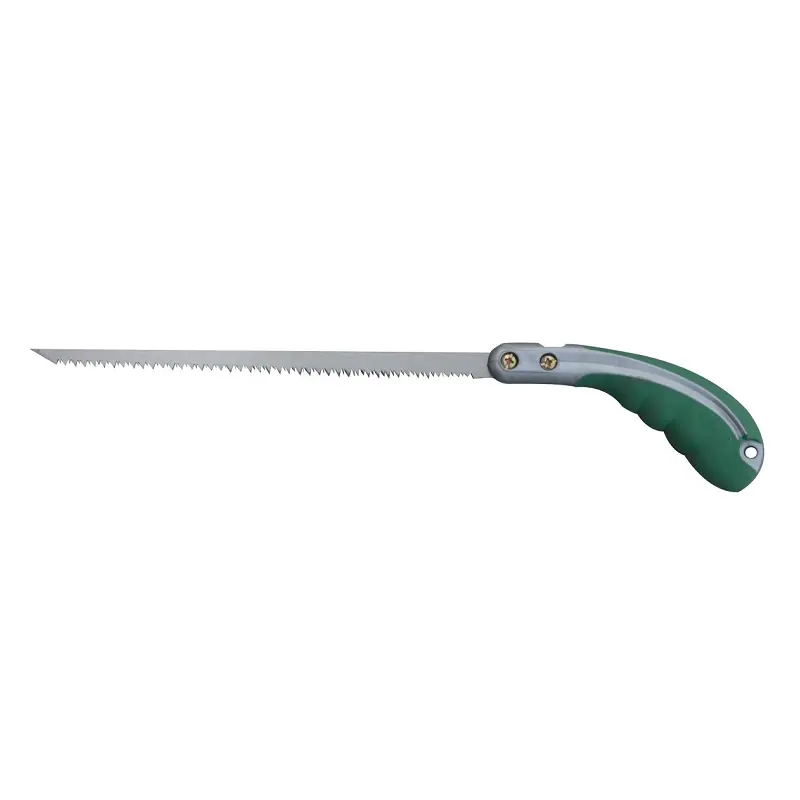
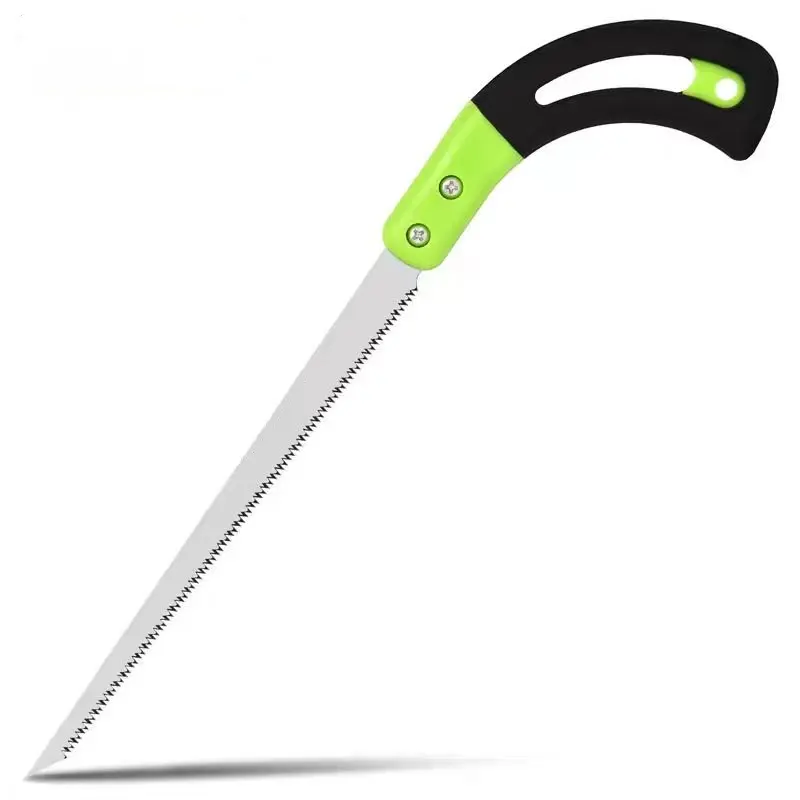
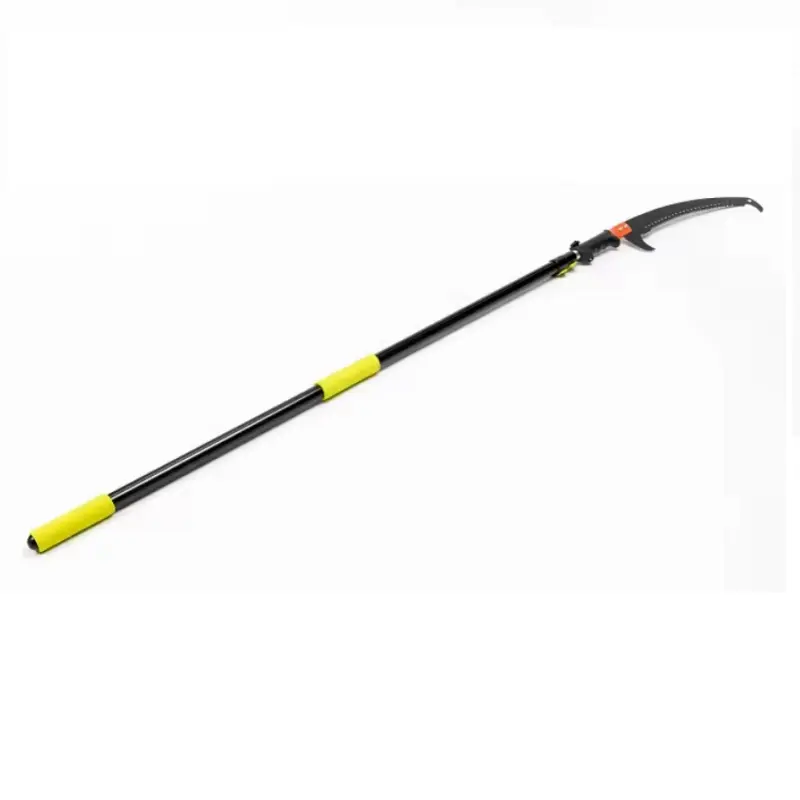
Handsaws, in contrast, are the embodiment of control. The cutting speed is dictated entirely by the user's own muscle. This slower pace allows for micro-adjustments during the cut, ensuring supreme accuracy. Handsaws like our specialized Bent Saws, which are designed for curved cuts in garden pruning, operate on this principle. They offer better control for navigating around living branches. In woodworking, this translates to cleaner results on delicate pieces. The experience is also different; many artisans enjoy the quiet, tactile feedback of a hand saw cutting across the grain.
What Techniques Improve Your Ability to Cut Curves in Wood?
Simply having the right saw isn't enough; proper cutting techniques are what separate rough, jagged curves from smooth, flowing lines. As a manufacturer, we design tools to be precise, but operator skill unlocks their full potential. Whether using a jigsaw or a coping saw, a few key practices will dramatically improve your results.
First, always secure your workpiece. Use clamps to hold the wood firmly to a workbench so it cannot vibrate or shift during the cut. This frees up both of your hands to guide and support the saw. Second, don't force the tool. Let the saw blade do the work. Pushing too hard will cause the blade to deflect or bend, resulting in a cut that isn't perpendicular to the surface. Guide the saw gently and let its speed and sharpness determine the cutting pace.
For cutting very tight curves with a jigsaw, a technique called making "relief cuts" is invaluable. Before cutting the main curve, make several short, straight cuts from the edge of the wood into the waste side of your curved line. As you cut the curve, these small sections will fall away, preventing the blade from binding in the tight turn. For interior cuts, always drill a starter hole in the waste area that is large enough for your saw blade to fit through. These simple tools and techniques make a world of difference.
How Do You Choose the Right Saw for Your Project's Specific Curve?
The perfect saw for one job might be the wrong choice for another. To choose the right saw for your project, you must evaluate the specific demands of the cut. It’s a process of matching the tool's strengths to the task at hand. This is the kind of expertise my customers, like Brian, rely on us to provide so they can stock the right mix of tools for their clients.
Here’s a simple decision-making table to help you grab the right tool:
| If your project involves... | The best saw for the job is... | Why? |
|---|---|---|
| General purpose curves in plywood or 1-2" thick lumber. | Jigsaw | Offers the best balance of speed, power, and versatility for a wide range of common woodworking tasks. |
| Very fine, intricate details and tight interior cutouts. | Scroll Saw or Coping Saw | Their extremely thin blade is designed for the highest level of precision and maneuverability in detail work. |
| Rough, fast curves for demolition or construction framing. | Reciprocating Saw | Power and aggression are prioritized over precision, making it ideal for non-finish cutting tasks. |
| Thick stock (3"+) with medium to gentle curves. | Band Saw | It has the power and capacity to handle thick wood while still being able to navigate a curve smoothly. |
| Outdoor pruning or cutting curves in green wood. | A quality hand saw | Tools like our ergonomic Folding Saws are perfect for these rougher, outdoor applications. |
By analyzing the thickness of the material, the tightness of the curve, and the required quality of the finish, you can confidently select the saw that will deliver the best results.
What Should I Look for When Cutting Curves in Different Materials?
While we've focused on cutting wood, many of these saws are capable of cutting a range of materials, provided you use the correct saw blade. The principles of cutting a curve remain the same, but the blade's tooth design and the saw's speed must be adapted for different materials to achieve clean cuts and avoid damaging the workpiece or the blade.
For instance, when cutting plastics like acrylic, you should use a blade with a high TPI and a "no-chip" grind. It's also crucial to use a slower saw speed to prevent the blade's friction from melting the plastic instead of cutting it. For cutting thin sheet metal, a special bi-metal blade with very fine, hardened teeth is required. Again, a slower speed and a steady hand are key to prevent the blade from catching and tearing the material. As a manufacturer, we understand that versatility is key, which is why we produce a variety of high-quality blades. Knowing that the right tools and blades exist for almost any material is essential for any serious maker. All these implements are essential woodworking tools that every craftsman should consider.
Key Takeaways
To master the art of cutting curves, keep these fundamental points in mind:
- Choose the Right Tool: Never use a saw designed for straight cuts, like a circular saw, to cut a curve. Use a jigsaw for general-purpose curves, and a coping saw or scroll saw for fine, detailed work.
- Match the Blade to the Job: The success of your cut depends heavily on the blade. Use a narrow blade for tight curves and a blade with a high TPI for a smooth finish.
- Technique is Everything: Always clamp your work securely. Let the saw do the work without forcing it, and use techniques like relief cuts to prevent the blade from binding in sharp turns.
- Prioritize Safety: Wear safety glasses and ensure your saw's blade guard is functioning. A sharp blade is a safe blade, as it requires less force and is less likely to slip.
- Practice Makes Perfect: Cutting a perfect curve takes practice. Start with simple shapes on scrap wood to build your confidence and skill before moving on to your final workpiece.
Post time: 12-09-2025