With decades of experience manufacturing high-quality pruning tools for global markets, I've learned one undeniable truth: the health of your trees depends directly on the quality of the tools you use to prune them. Using the wrong or a dull tool can damage your trees, invite disease, and turn a simple task into a frustrating struggle. This guide is designed to share my industry knowledge with you. We'll explore how to choose the right tree pruning tools, use them correctly, and keep them sharp, ensuring every cut you make helps your trees, especially fruit trees, grow strong and healthy.
Why is Choosing the Right Tool to Prune Your Trees So Important?
The act of pruning is a surgical procedure for a tree. When you prune a branch, you are creating a wound. The goal is for this wound to heal quickly and cleanly, minimizing stress and preventing the entry of pests and diseases. This is where your choice of pruning tools becomes critical. Using the wrong tool or a dull blade can crush the plant's vascular system, leaving a ragged, torn wound that heals slowly, if at all. It’s the difference between a clean surgical incision and a messy injury.
Furthermore, the right tool for the job makes the work safer and easier for you. Trying to cut a thick branch with a small hand pruner puts immense strain on the tool and your hands and arms, risking breakage and injury. Conversely, using a large saw for a tiny twig is inefficient and clumsy. Matching the tool to the size of the branch ensures you can make clean cuts with minimal effort. This foundational principle of tree care protects both the tree and the gardener, making the entire process more effective and enjoyable.
What are the Essential Types of Tree Pruning Tools for Every Gardener?
Navigating the world of tree pruning tools can seem daunting, but for most homeowners and gardeners, the arsenal is quite simple. You don't need one of everything, but you do need the right core tools to handle different branch sizes. As a manufacturer, we design tools for specific tasks, and understanding these categories is the first step in building your kit.
Here are the three essential types of tree pruning tools:
- Hand Pruners (or Pruning Shears): These are your go-to for most small jobs. Perfect for trimming small branches, deadheading flowers, and shaping shrubs. They are designed for branches up to about ¾ inch in diameter. A high-quality hand pruner should feel like an extension of your hand.
- Loppers: Think of loppers as a hand pruner with long handles. This design gives you leverage, allowing you to cut through thicker branches, typically from 1 to 2 inches in diameter, with ease. They are the workhorses for most moderate pruning tasks.
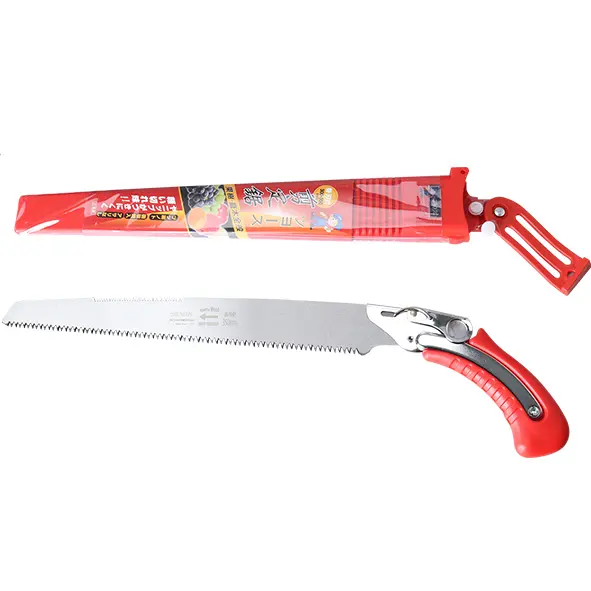
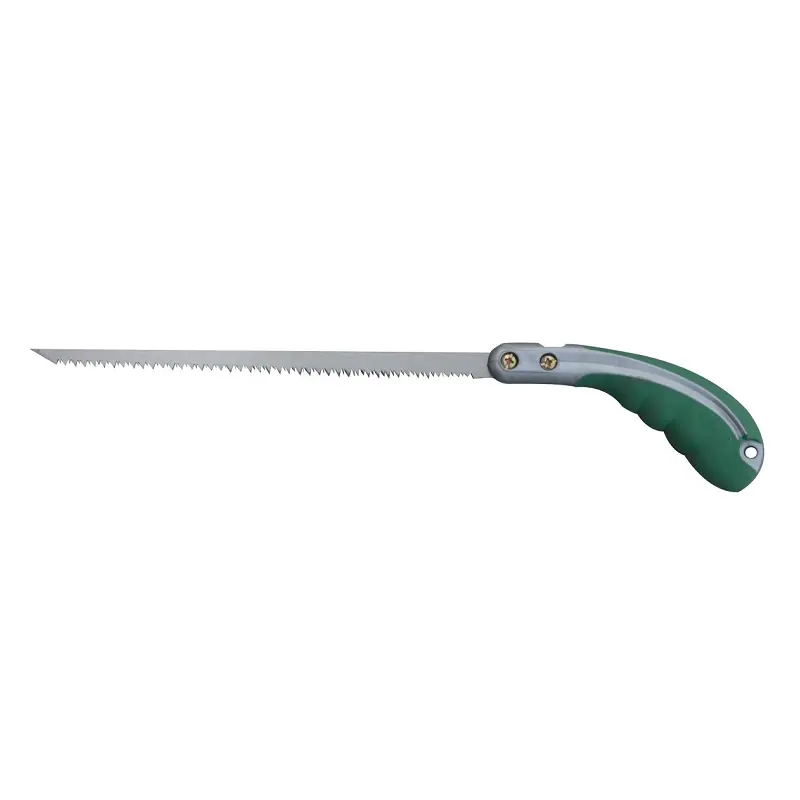
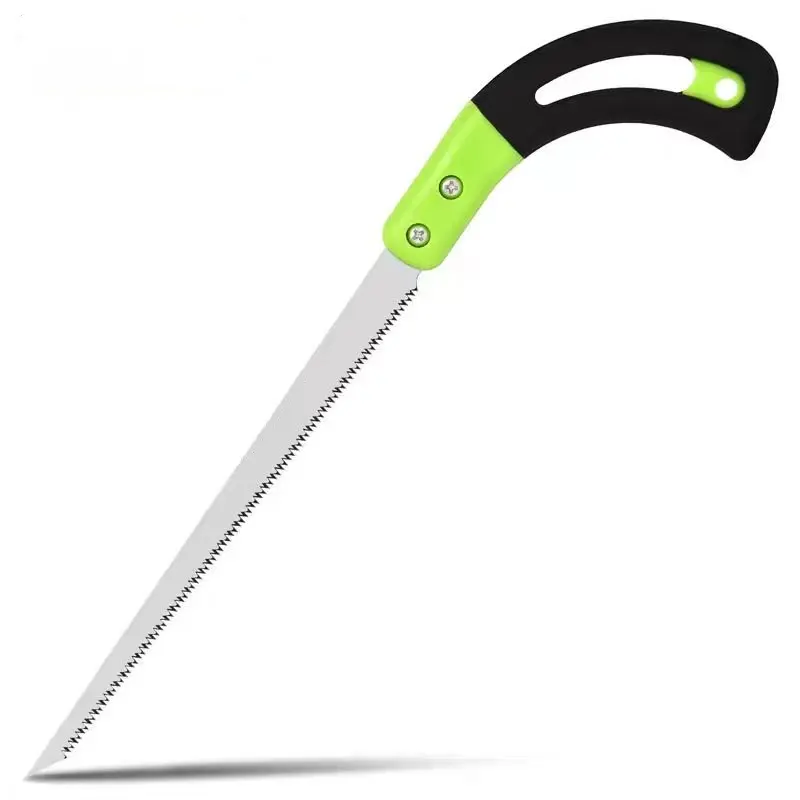
- Pruning Saw: When a branch is too thick for loppers, you need a saw. A good pruning saw has a sharp, aggressive blade designed to cut on the pull stroke, making quick work of branches over 2 inches thick. They come in various forms, including folding saws for safety and bow saws for larger limbs.
With these three tools, you can properly prune almost anything in the average garden or orchard.
How Do You Choose Between Bypass and Anvil Loppers?
When you shop for a hand pruner or loppers, you’ll immediately face a key choice: bypass or anvil. The difference is in how the blade operates, and choosing the right one is crucial for making healthy cuts.
-
Bypass Pruners: These function just like a pair of scissors. A sharp, curved top blade sweeps past a thicker, non-cutting lower hook. This action creates a remarkably clean and precise cut on living branches. For this reason, bypass pruners are the top choice for nearly all live-wood pruning. The clean slice minimizes damage to the remaining plant tissue, allowing the wound to heal much faster. If you want to prune fruit trees or any living plant, a bypass tool is essential.
-
Anvil Pruners: Anvil tools work differently. A single straight blade closes down onto a flat, soft metal "anvil," similar to a knife on a cutting board. This action is powerful and effective for cutting through dead, dry, or brittle wood. However, this crushing action can damage the cells of a living branch around the cut. So, reserve your anvil loppers and pruners for clearing out deadwood, where the health of the remaining tissue is not a concern.
For 90% of tree care, a sharp pair of bypass loppers is the superior choice.
When Should You Use a Pruning Saw Instead of Loppers?
Knowing when to put down the loppers and pick up a pruning saw is a critical skill for effective and safe tree trimming. There is a clear limit to what even the best loppers can handle. If you find yourself struggling or needing to "chew" through a branch with your loppers, the branch is too thick. Forcing the tool can damage the blade, the branch collar, and your body.
The general rule is this: once a branch exceeds 1.5 to 2 inches in diameter, it's time for a saw. A good pruning saw is specifically designed for this task. Unlike a carpenter's saw, its teeth are engineered to cut through green, wet wood without getting clogged with sap and fiber. Many modern pruning saws, like our popular ergonomic folding saws, feature a curved blade and teeth that cut on the pull stroke. This design is incredibly efficient, as you use your major muscle groups to pull the saw towards you, giving you more power and control with every stroke. For heavy pruning jobs, the pruning saw is the indispensable tool for the job.
What is the Best Tool for Trimming High Branches Without a Ladder?
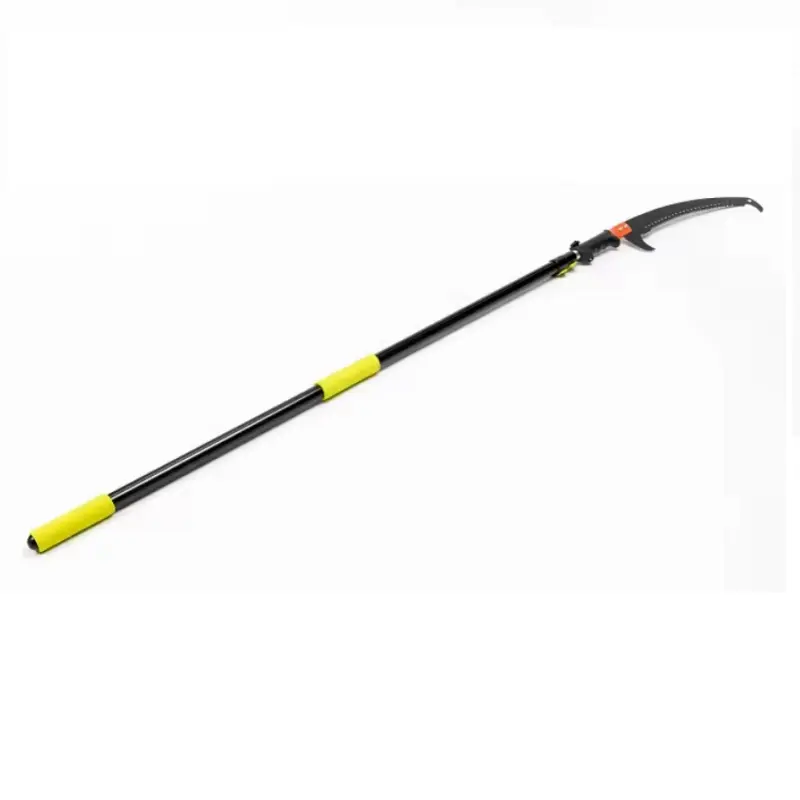
Pruning high branches presents a significant safety challenge. Working on a ladder with a sharp tool is inherently risky. This is precisely why the pole pruner was invented. It is, without a doubt, the best and safest tool for reaching branches that are out of arm's reach. A pole pruner essentially combines two tools on an extendable pole: a pruning head (like bypass loppers) operated by a rope or lever, and a pruning saw attachment for larger limbs.
This design allows you to stand safely on the ground while you prune. You can reach high branches without a ladder, maintaining a stable footing and having a clear view of your work. When choosing a pole pruner, look for a lightweight yet strong pole (fiberglass or aluminum is common) and a high-quality cutting head. A sharp saw blade on the end is crucial for branches too thick for the lopper mechanism. Investing in a quality pole pruner is an investment in your safety and is essential for anyone with mature trees to prune. Our line of sturdy pole saws is designed with both reach and cutting efficiency in mind, making them a favorite for both homeowners and professionals.
How Does a Sharp Blade Affect Tree Health When You Prune?
The sharpness of the blade is the single most important factor for good tree health post-pruning. Think of it this way: a sharp blade severs the plant cells cleanly, while a dull blade rips and crushes them. This difference has profound biological consequences for the tree.
Sharp blades make clean cuts, and clean cuts that heal quickly are the cornerstone of proper tree pruning.
- Faster Healing: A smooth cut has a smaller surface area and less damaged tissue, allowing the tree to form a protective layer of callus tissue over the wound much faster.
- Disease Prevention: Ragged cuts from dull tools create pockets and tears where moisture can collect, creating an ideal breeding ground for fungal spores and bacteria. A sharp blade leaves a surface that sheds water, reducing infection risk.
- Reduced Stress: Every cut is a form of stress on a tree. A clean, efficient cut minimizes this stress, allowing the tree to devote its energy to growth and fruit production rather than fighting off disease and trying to heal a grievous wound.
As Susan Poizner, an expert in fruit tree care and founder of OrchardPeople.com, often emphasizes, "A clean cut is a fast-healing cut." This simple principle should guide every decision you make when you prune.
What is the Correct Way to Prune a Tree Branch?
Using the right pruning tools is only half the battle; you also need to use the right technique. A proper pruning cut helps the tree heal correctly and directs future growth. For branches over an inch thick, the three-cut method is the professional standard to prevent the bark from tearing.
- The Undercut: About 6-12 inches away from the trunk or main branch, make your first cut on the underside of the branch. Cut about a third of the way through. This cut prevents the bark from ripping down the trunk when the branch falls.
- The Relief Cut: Move an inch or two further out from your first cut and make a second cut from the top. Cut all the way through the branch. The weight of the branch is now gone, and the undercut has prevented any tearing. You will be left with a short, manageable stub.
- The Final Cut: Now, you can make the final cut just outside the branch collar. The branch collar is the slightly swollen, wrinkled area where the branch meets the trunk. Do not cut flush with the trunk, as this removes the specialized cells the tree uses to seal the wound. Angling the cut slightly away from the tree helps water run off. This technique ensures a healthy, fast-healing wound every time you prune.
How Do You Properly Clean and Sharpen Your Pruning Tools?
Your pruning tools are an investment, and like any good investment, they require maintenance. Keeping your tools clean and sharp is essential for their longevity and performance. Dull tools are dangerous and ineffective, and dirty tools can spread disease from one plant to another.
The process to clean and sharpen is simple:
- Clean After Use: After you prune, use a rag and some soapy water to wipe the blades and remove any dirt or sticky sap. For stubborn sap, a little rubbing alcohol or mineral spirits works well. Disinfecting the blade with alcohol is especially important if you suspect you were cutting a diseased branch.
- Remove Rust: If you see any rust, scrub it off with steel wool and a bit of oil. Rust pits the blade and makes it harder to get a sharp edge.
- Sharpen Regularly: Your tools make thousands of cuts and will eventually need to be sharpened. Use a good diamond file or whetstone. For bypass tools, only sharpen the outer, beveled edge of the top blade. Follow the factory angle (usually 20-25 degrees) and push the file from the base to the tip in smooth, even strokes. A few strokes are often all that's needed to restore the edge.
What are the Most Common Mistakes to Avoid When You Prune Trees?
Even with the best intentions and the right tool, it's easy to make mistakes when you prune. Avoiding these common pitfalls will dramatically improve your results and the health of your trees.
Here's what to watch out for:
- Using the Wrong Tool for the Size: This is the most common mistake. Don't try to force a small hand pruner on a large branch. Always choose a tool whose capacity matches the branch you need to prune.
- Cutting Flush to the Trunk: Never remove the branch collar. This small area contains the cells that will heal the wound. Cutting it off leaves a large wound that the tree cannot properly seal.
- Leaving a Long Stub: Conversely, leaving too long a stub invites rot and decay, which can then travel back into the main trunk. Make your final cut just outside the collar.
- Pruning at the Wrong Time of Year: For most trees, the best time to prune is during late winter or early spring when they are dormant. Pruning during active growth can be more stressful for the tree. (There are exceptions, so research your specific tree type).
- Using Dull or Dirty Tools: This cannot be stressed enough. A dull blade crushes, and a dirty blade spreads disease. Always ensure your blade is sharp and clean.
How Can You Ensure Your Tree Pruning Tools Last a Lifetime?
High-quality pruning tools, like the ones we manufacture at Shandong Shunkun, are built to last. But even the best tools require some basic tree care on your part to perform well for years or even decades. Keeping your tools in great shape is simple and rewarding.
Here are the key habits for tool longevity:
- Clean and Dry After Every Use: This is the #1 rule. Moisture is the enemy, as it leads to rust. Wipe the blades down and make sure they are completely dry before putting them away.
- Oil Regularly: After cleaning, apply a thin coat of camellia oil, linseed oil, or even WD-40 to the blade and pivot points. This displaces moisture, prevents rust, and keeps the action smooth.
- Sharpen as Needed: Don't wait until your blade is completely dull. A quick touch-up with sharpening tools is much easier than a full re-grinding session. A sharp tool is a long-lasting tool because you don't have to force it.
- Store Properly: Keep your tools in a dry place, away from humidity. A pegboard in a garage or shed is ideal. Avoid leaving them outside in the rain or on damp ground. Many of our tools, like our versatile hand saws, come with protective sheaths for safe storage.
By following these simple steps, you can ensure that your investment in quality pruning tools pays off with a lifetime of reliable service and beautiful, healthy trees.
Key Takeaways
To achieve the best results in your garden and ensure the long-term health of your trees, always remember these key principles of pruning:
- Match the Tool to the Task: Use hand pruners for small stems, loppers for medium branches (up to 2 inches), and a pruning saw for anything larger.
- Choose Bypass for Live Wood: Bypass pruners and loppers make clean, scissor-like cuts that are essential for the health of living branches.
- Sharpness is Paramount: A sharp blade makes a clean cut that heals quickly. Regularly sharpen your tools to prevent crushing or tearing plant tissue.
- Prune with Proper Technique: Use the three-cut method for large branches to prevent bark tearing, and always cut just outside the branch collar.
- Maintain Your Tools: Clean, dry, and oil your tools after each use and store them in a dry place to prevent rust and ensure they last for many seasons.
Post time: 12-01-2025