Finding an old hand saw buried in a dusty garage often sparks a wave of creative thinking. Instead of tossing that rusty piece of metal, transforming it into beautiful art or a brand-new tool is a fantastic way to honor its history. This comprehensive guide will deeply explore the best methods for repurposing an old hand saw, explaining exactly why high-quality high-carbon steel deserves a second life. You will discover incredible, practical ways to turn what some people mistakenly consider junk into functional masterpieces and decorative gems. Reading this will save you money, boost your creativity, and help you respect the incredible craftsmanship of vintage tools.
What Is the Best Idea to Repurpose an Old Hand Saw Blade?
When you stumble upon an old hand saw, your very first thought might naturally be to clean it up for its original use. But if the teeth are severely damaged or the blade is bent beyond repair, repurposing becomes the absolute best idea. That sturdy, flat piece of high-carbon steel holds immense potential for a huge variety of exciting DIY projects. From forging custom knives to painting beautiful art, an old blade provides a highly durable and versatile canvas for your imagination.
Many seasoned craftsmen make a fantastic, razor-sharp scraper directly from the wide, flat sections of the saw. Cabinet makers truly prize this specific kind of steel because it holds an edge beautifully under heavy pressure. The core material found in an old hand tool was originally forged to withstand decades of brutal, unforgiving work. This makes it far superior to modern, cheap metals that bend or dull quickly.
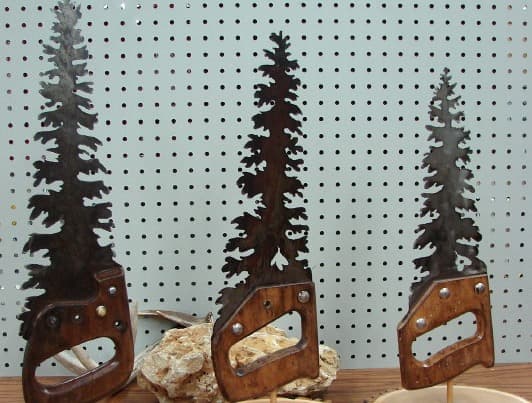
Alternatively, creating custom art pieces offers another brilliant idea. Talented artists frequently use a plasma cutter to carve intricate forest scenes or wildlife silhouettes right into the center of the blade. This transforms an entirely obsolete tool into a stunning visual centerpiece, proving beyond a doubt that a forgotten saw can still bring massive value to a home or cabin.
How Can You Explore New Art Projects with an Old Hand Saw?
Finding fresh inspiration for art often requires looking at everyday, mundane objects through an entirely new lens. To truly explore the creative possibilities of an old hand saw, try visualizing the large flat metal surface simply as a blank canvas. Traditional folk artists have long utilized the broad sides of a heavy crosscut saw to paint peaceful rural landscapes, majestic mountains, or classic farm scenes.
If you prefer detailed metalwork over painting, the best approach is plasma cutting or careful Dremel carving. You can boldly trace a design onto the old hand saw and then carefully carve away the negative space. It takes immense patience and a steady grip, but the resulting silhouette art looks absolutely incredible when mounted on a rustic wooden board. The contrast between empty space and solid steel is striking.
Do not forget to consider the handle. An old wooden handle naturally carries the rich, dark patina of decades of hard work and human touch. By gently cleaning and oiling it, you preserve the authentic, rugged character of the tool, which massively elevates the overall impact of your finished art piece. You will instantly get a beautiful contrast between the shiny carved steel and the warm, aged wood.
Why Should You Shop for Vintage Saws Instead of Throwing Them as Junk?
It is a genuine tragedy when people blindly toss an old hand saw in the trash, wrongly labeling it as useless junk. If you take the time to shop at local flea markets or weekend estate sales, you will quickly find that vintage tools possess a metallurgical quality that is incredibly hard to match today. The raw steel used in the early 20th century was meticulously crafted and heat-treated.
"A tool is only as good as the steel it is forged from, and vintage hand saws boast some of the finest high-carbon alloys ever made."
For modern tool manufacturers, we deeply understand the critical importance of material excellence. For example, our quality hand saw relies on premium SK-5 high-carbon steel to ensure maximum durability and sharpness. Similarly, that rusty old hand tool you found at a yard sale likely contains exceptional metal just waiting to be revived. It is far too valuable to end up buried in a landfill.
Next time you see an old saw heavily covered in orange rust, view it instead as a valuable treasure trove of raw materials. Whether you want to carefully restore it for serious woodworking or creatively cut it up for an entirely new idea, the base quality of that blade absolutely makes it worth saving and cherishing.
What Are the Best Tips for Selling Restored Saw Art on eBay?
Once you start creating beautiful art from an old hand saw, you might naturally consider selling your hard work to others. eBay is an outstanding global platform to reach eager buyers who deeply appreciate rustic decor and vintage craftsmanship. To successfully get top dollar for your creations, professional presentation is absolutely key.
Take clear, well-lit photos of your painted or carved saw. Make sure you vividly highlight the intricate details of the metalwork and the beautifully preserved old hand grip. Buyers genuinely love a good backstory, so share a little narrative about exactly where you found the tool and how you developed the specific idea for the artwork. Make sure to package the sharp blade safely and securely for shipping!
Consistency remains the best overall strategy when selling your items online. If you produce a recognizable series of wildlife silhouette art pieces on large crosscut saws, you can quickly build a loyal following of repeat buyers. It effectively turns a fun weekend hobby of rescuing old tools into a highly profitable, highly enjoyable side business.
How Do You Turn an Old Blade into a Useful Woodworking Scraper?
If you truly love traditional woodworking, you already know that a good, sharp cabinet scraper is absolutely invaluable in the shop. A brilliant idea is to actively make your own scraper directly from a damaged old hand saw. The thin, highly tempered high-carbon steel of a vintage saw blade has the perfect amount of flex for flawlessly smoothing wood surfaces.
To easily create a useful scraper, simply cut a clean rectangular section from the widest flat part of the old saw. Use a metal-cutting wheel on an angle grinder, but go very, very slowly. You must be extremely careful not to ruin the delicate temper of the steel by overheating it. If the shiny metal suddenly turns blue or brown, you have lost the crucial hardness that makes it cut well.
Once you have your neat rectangle cut out, file the edges perfectly square. Then, aggressively burnish a slight hook onto the edge using a hardened steel rod. This incredibly simple DIY tool will often vastly outperform expensive modern scrapers because the vintage blade material is so exceptionally hard, resilient, and perfectly formulated for shaving wood.
Can You Make Quality Carving Knives from an Old Crosscut Saw?
Absolutely, yes. One of the single most rewarding ways to fully repurpose a massive crosscut saw is to carefully craft custom carving knives. Because these old, heavy logging tools were intentionally made from thick, insanely tough steel, they provide fantastic, robust stock for amateur bladesmiths.
You can draw and trace the exact profile of a knife directly onto the flat of the old hand saw blade. Using a bench grinder or an angle grinder, carefully cut out the rough shape. Again, meticulous heat management is completely crucial here. Dip the hot metal in a bucket of cold water frequently while grinding to fiercely preserve the original factory temper. A ruined temper simply means a knife that won't hold a sharp edge, making it useless.
After patiently shaping and refining the blade, attach a custom-carved wooden handle using brass pins. You now have a highly specialized knife that is totally perfect for intricate whittling or fine detail work. It is a brilliant way to magically make multiple small, precise tools from a single gigantic old saw, extending the functional life of the metal for another full century.
| Project Type | Difficulty Level | Primary Tools Needed | Best Saw Type to Use |
|---|---|---|---|
| Painted Yard Art | Beginner | Paint, Brushes, Sandpaper | Any broad hand saw |
| Silhouette Art | Advanced | Plasma Cutter, Grinder | Large crosscut saw |
| Cabinet Scraper | Intermediate | Angle Grinder, Metal File, Burnisher | Standard old hand saw |
| Custom Knives | Advanced | Bench Grinder, Drill, Epoxy | Thick crosscut blade |
What Is the Best Way to Preserve the Steel Temper When Cutting an Old Hand Saw?
We touched on this briefly, but intimately understanding the temper of the steel is undeniably the most critical aspect of repurposing a saw into a functional new tool. The original factory heat treatment gives the blade its renowned strength, flexibility, and edge retention. If you destroy that heat treatment, you are just left with soft metal.
The best idea when actively cutting or grinding an old hand blade is to strictly use sharp abrasives and extremely light, feathery pressure. Keep a large bucket of ice-cold water right next to your work station at all times. Every few seconds, plunge the steel directly into the water. If the metal ever becomes too hot to comfortably hold with your bare hands, it is getting dangerously close to losing its temper.
Patience is strictly required here. Hurriedly rushing the cut with a high-speed grinder will instantly introduce blue, purple, or brown discoloration to the metal edge, starkly indicating ruined steel. Take your time, work methodically, and the resulting scraper or knife will boldly deliver top-tier cutting performance for years.
How to Explore Unique Storage Options for Your Upcycled Saw Tool?
Once you have finally created a beautiful, wickedly sharp new knife or a highly effective scraper out of an old hand saw, you urgently need proper storage. Tossing a finely tuned, razor-sharp edge lazily into a drawer filled with other clanking metal tools will quickly dull it, ruining all your hard work.
A truly great idea is to carefully craft a custom leather sheath for your newly minted blade. This snugly protects the sharp edge and actively prevents accidental cuts when you are reaching blindly for the tool. For a woodworking scraper, crafting a simple slotted wooden block sitting proudly on your workbench is simply the best storage solution available.
Proper, thoughtful organization firmly ensures your repurposed tools always remain fully ready for action. Whether it is a modern replacement blade waist saw or a custom marking knife forged entirely from recycled junk steel, keeping the cutting edges well protected actively guarantees their longevity and performance.
Is a Painted Saw Blade the Best Idea for Yard Art Inspiration?
Moving completely away from functional workshop tools, let's look back at wonderful decorative art. If you desperately want a striking, unique piece of decor, hanging a beautifully painted old hand saw out in your garden is an amazing idea. It instantly brings a warm touch of rustic, vintage charm that perfectly complements lush outdoor spaces.
To properly prepare the old blade for colorful yard art, you must first aggressively remove the loose, flaking rust. You don't need to polish it to a perfect mirror finish—a little rough texture actually adds wonderful character. Then, firmly apply a high-quality outdoor rust-inhibiting primer. From there, you can paint vibrant flowers, classic farm animals, or sweeping mountain ranges right onto the flat of the saw.
To thoroughly protect your painted art from the harsh weather, generously seal the entire saw (including the wooden handle) with a clear, UV-resistant marine polyurethane. You can even combine this charming aesthetic with functional garden items, proudly hanging your masterpiece right next to your trusted efficient gardening shears or a robust curved bent handle saw. It adds incredible, undeniable personality to your yard.
Where Can You Find the Best Video Tutorials for Repurposing an Old Hand Saw?
If you are more of a visual, hands-on learner, simply reading about a complex project might not be quite enough. The absolute best place to get detailed, step-by-step guidance is online. You can easily find an excellent, highly descriptive tutorial video on major platforms like YouTube showing exactly how to cut, grind, and shape an old hand saw.
Search actively for specific terms like "turning an old hand saw into a knife" or "plasma cutting metal saw art." A genuinely good video will clearly show you the exact power tools needed and demonstrate precisely how to expertly manage the intense heat of the steel. Seeing the bright sparks fly and the final shape slowly emerge gives you the ultimate confidence to try the idea yourself.
Many highly skilled, generous creators share their entire creative process, from rescuing a rusty, forgotten saw at a messy flea market to professionally selling the finished art online. Watching a captivating video is very often the exact spark of inspiration deeply needed to completely turn that sad piece of forgotten junk into something breathtakingly beautiful. Explore these amazing free resources today, and you will be utterly amazed at what your own two hands can make.
Important Things to Remember
- Never throw away a vintage saw; the high-carbon metal is perfect for making a brand-new tool or stunning art.
- A cabinet scraper is one of the easiest and most practical items you can make from a flat, damaged blade.
- When grinding or cutting vintage metal, you must dip it in water frequently to avoid ruining the crucial temper of the steel.
- Creating plasma-cut silhouettes or painted landscapes on an old hand saw is an incredibly popular and profitable idea for online sellers.
- Always protect your newly made knives or scrapers with proper storage solutions, like leather sheaths or slotted wooden blocks, to maintain a razor-sharp edge.
Post time: 07-02-2026