Cutting wood requires precision. Figuring out which cutting tool to buy can be overwhelming. Is a portable tool better than a bench machine? By reading this guide, you will learn exactly when to use these different tools to boost your shop's productivity and deliver top-notch results. Whether you need rough cuts on a job site or fine fretwork in a studio, the right equipment saves time and material. Let's dive into the details!
What Makes a Jigsaw the Best Tool for Portability?
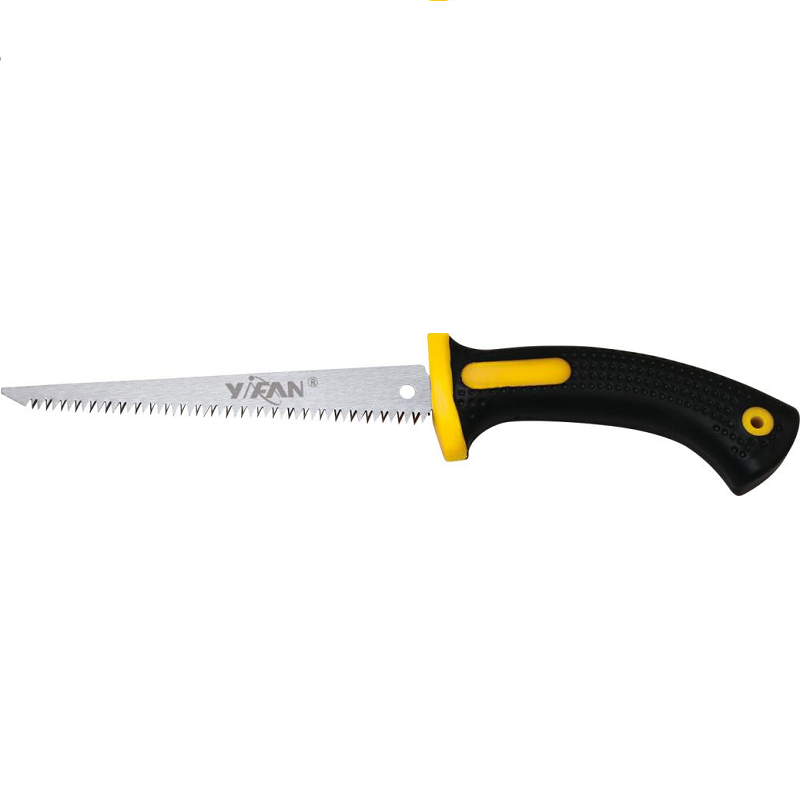
A jigsaw is a highly versatile tool. For many, the jigsaw is the first saw they buy when starting their building journey. It uses a thin metal strip that moves rapidly up and down. This specific mechanical motion is called reciprocate. You can easily take it to a job site without any heavy lifting. For portability, you really cannot beat it. If you need to cut a hole in a kitchen counter for a new sink, this is the best tool for the job because it drops right in.
A jigsaw would be perfect for plunging into the middle of a board. When you need to do internal cuts, simply drill a small hole first with your drill. Then, insert your jigsaw blade and start cutting slowly. You can easily cut a tight curve around obstacles. Try doing that with a circular saw! You can't, because the round disc binds in corners. The tool is lightweight and easy to manage for extended periods.
With a variable speed trigger, you control the pace of the cut perfectly. Using a portable unit requires a steady hand and good eye coordination. This helps when you switch materials throughout the day. Maybe you are cutting thin plywood today and thick oak tomorrow. For simple shapes away from your shop, grab this portable machine and get to work quickly.
Why is a Band Saw Essential for Thick Workpieces?
Every woodworking shop needs a reliable saw for heavy tasks. A band saw is a stationary machine that anchors the entire room. It sits solidly on your shop floor or heavy bench, resisting vibrations. This machine operates quietly compared to screaming routers. It uses a continuous metal loop with teeth. This loop spins constantly in one direction, creating a smooth downward force. Because the metal always moves downward, it pulls the workpiece flat against the table automatically. A fixed machine is a true powerhouse. This makes it incredibly safe and stable for beginners and pros alike.
If you are cutting thick wood, a bandsaw shines brightly. A typical metal edge might bend in thick hardwood, giving you a slanted edge that ruins the joint. A wide loop stays perfectly straight under pressure. It has enough power to slice right through thick logs or heavy lumber without bogging down. If your business involves processing large chunks of timber, this machine is vital for daily operations.
You might need to start re-sawing thick boards into thinner book-matched panels for guitar making or fine cabinets. This technique is known as resawing. To do this properly, you need a specialized resaw blade installed. The blade length is much longer here than on portable saws, allowing it to dissipate heat fast. The continuous loop design handles the heat of deep cuts beautifully. You can easily process multiple workpieces in minutes instead of hours.
Scroll Saw vs. Jig Saw: Which is Better for Fretwork?
A scroll saw looks a bit like a sewing machine for wood, with a tiny arm pumping up and down. When comparing this machine to other tools, the saw always wins on extreme detail. It uses an incredibly thin, delicate edge that can turn on a dime. If you want to make intricate cuts or wooden puzzles for children, this is your machine. It is designed for fine woodworking and extreme detail work where patience is key. You simply cannot do this level of detail with a regular jig saw because it is too bulky.
A jig saw is great for general tasks, but it is too aggressive for fragile items. The intense vibration can snap delicate wood pieces instantly. A dedicated scroll machine is incredibly smooth. It allows you to spin the wood 360 degrees around the hair-thin metal effortlessly. This means you can cut a perfect curve without damaging the piece or breaking the fragile teeth.
For delicate fretwork, nothing else compares to this precision. Some traditional crafters even use a manual coping saw for these tasks to maintain absolute silence. But a powered scroll machine saves hours of manual labor and finger cramps. If your buyers need to produce high-end decorative pieces, they will need this machine in their inventory.
Is a Benchtop Model with a Wide Blade the Right Tool?
Not everyone has a massive warehouse or a two-car garage. If floor space is tight, consider a benchtop model. It gives you the continuous cutting loop of a big machine but sits right on your workbench corner. You still get amazing straight cuts without sacrificing your entire garage layout.
A compact model usually runs on standard household voltage, meaning no special wiring is required. Yet, it can still slice through moderate workpieces easily. You can attach wider blades for straight lines or a thin blade for a gentle curve. It is wonderfully versatile for weekend warriors.
While you cannot re-saw massive logs on it, you can easily handle everyday shop tasks like making small boxes or toys. It bridges the gap between hand tools and massive industrial equipment beautifully. For a small distributor or a dedicated hobbyist, this machine offers fantastic value. The ideal tool solves problems without creating new ones, and this fits the bill.
How Does the Saw Blade Affect Your Cut Quality?
The secret to any cutting device is the sharp edge making contact with the wood. The saw blade determines how clean your cut will be before you even turn the motor on. A dull edge is a dangerous hazard because you have to push too hard. Edges with large, widely spaced teeth are for rough cuts on framing lumber. They cut fast but leave splinters everywhere. If you want a smooth finish, you need a fine edge with closely spaced teeth.
You must match the edge to the material you are processing. Cutting metal? You need a specific steel-cutting edge that resists heat. Cutting thick plastic? Choose the right profile to avoid melting the material. Using the wrong edge will result in ruined materials and intense frustration. The blade is the heart of the tool.
Sometimes, to make precise interior cuts, people reach for a router and a template. But a good portable unit with a sharp, stiff edge can often do the job faster. Always keep a varied pack in your tool box so you are never caught off guard. Having options solves problems before they start. The right blade makes all the difference in the world when deadlines approach.
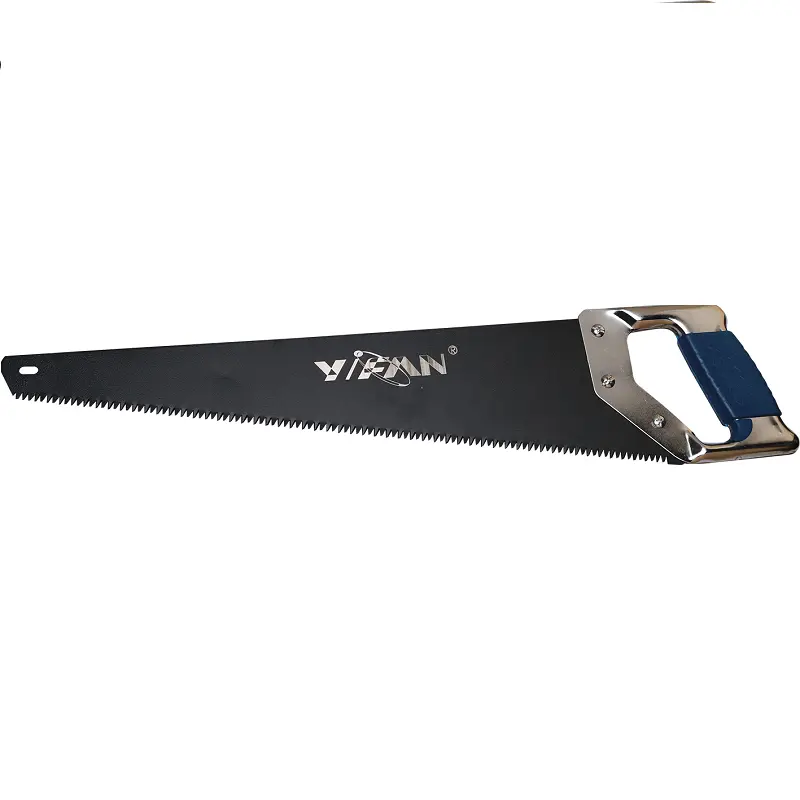
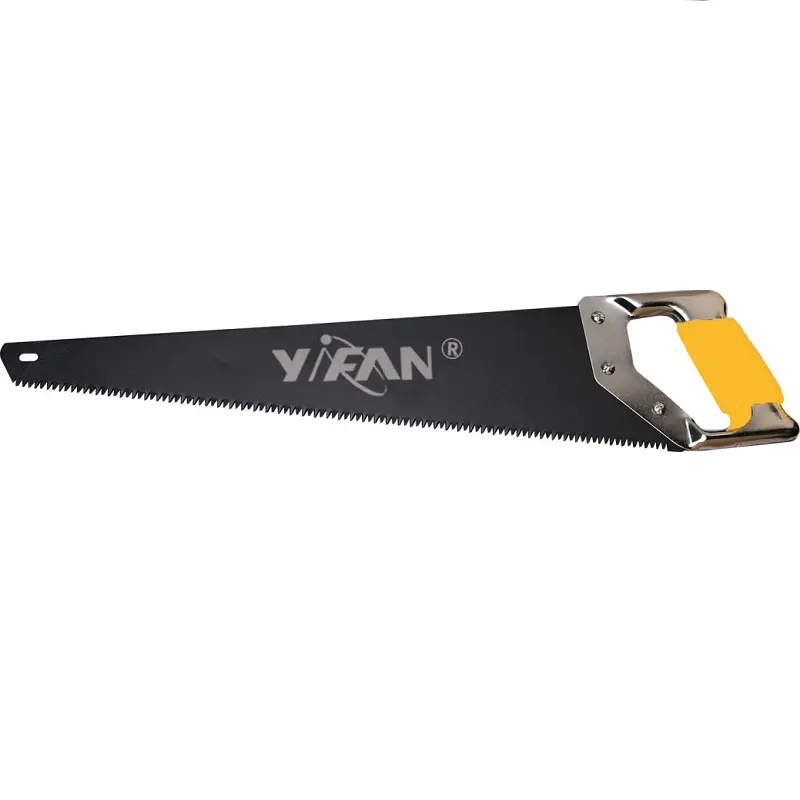
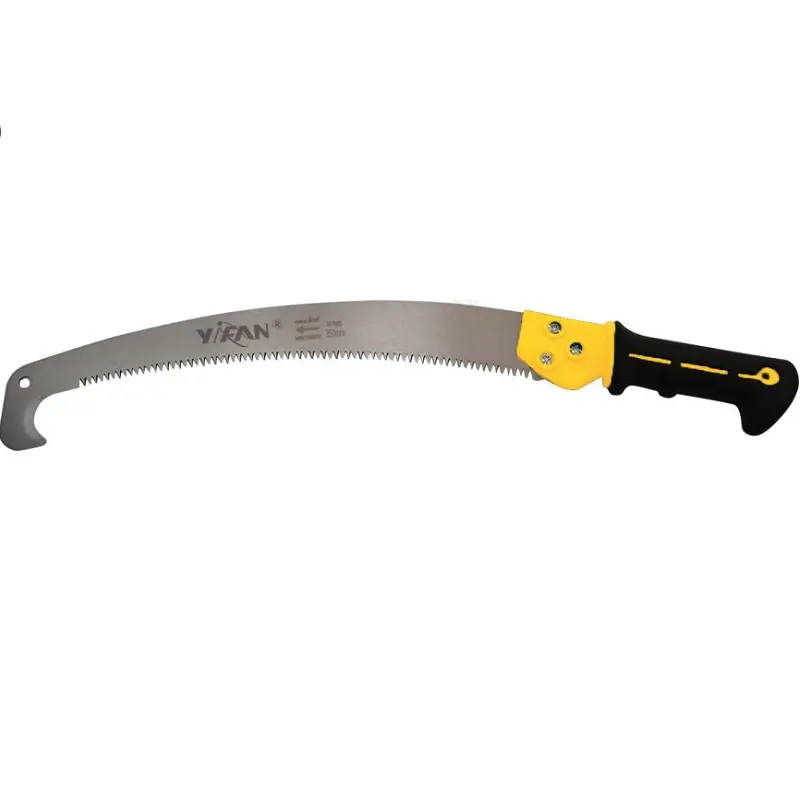
When you are doing outdoor work, power isn't always available. In the garden, a reliable Hand saw is far more practical than dragging a cord across the lawn.
Resawing: Why the Band Saw Always Wins
Let's talk about slicing wood like a loaf of bread to maximize your expensive lumber. This is called resaw, and it is a game-changer. Imagine taking a thick, heavy board and slicing it down the middle to make two thin boards for a jewelry box. A table saw struggles with this operation safely. The machine just isn't tall enough to reach through a wide board.
A heavy-duty band saw is built exactly for this purpose. Every machine in your shop has a purpose, but this one is special. With a strong motor and a wide track, it tracks perfectly straight down the line. You feed the wood through, and it slices it beautifully with minimal waste. You cannot do this with a handheld unit. A standard jigsaw would just wander and create a wavy mess.
For serious furniture makers, resawing is a daily task that saves thousands of dollars a year. They rely on massive bandsaws to process their stock efficiently. They can slice expensive woods thinly, saving money and matching wood grains perfectly for beautiful cabinet doors.
How Do Premium Jigsaw Brands Like Bosch and Festool Compare?
When you walk into a store like home depot, you see many options lining the shelves. A casual user might pick up a ryobi or a b&d or a craftsman for quick repairs. These are fine for weekend chores around the house. But professional power tools are built differently to withstand daily abuse.
Take the legendary bosch 1590, for example, which revolutionized the industry. Many experts consider it the gold standard for portable cutting. It runs incredibly smoothly without fatiguing your hands. High-end brands like bosch engineer their equipment to eliminate vibration completely. This gives you better control over the material. Another great option for durability is a robust porter cable model, known for lasting decades.
Then you have premium European brands like festool and mafell, which cater to the absolute highest standards. A tool like the Festool carvex offers unbelievable precision for custom installers. They have special guides that keep the metal completely vertical even around tight corners. When you need to bevel a precise angle, these premium machines shine brightest. They cost more, but the accuracy is worth every penny for a pro making a living.
For heavy agricultural work, you don't need a high-tech machine. A simple Fruit tree saw is perfect for aggressive, fast pruning in orchards.
Portable vs Stationary: Making the Big Choice Between Two Saws
Choosing between a fixed saw and a handheld unit is tough for beginners. It depends on your specific needs and the typical projects you tackle. Are you bringing the machine to the wood, or the wood to the machine? If you are cutting rafters on a roof, you need a handheld tool for safety. A portable unit is perfect here because you can climb the ladder with it.
If you are building custom cabinets in a shop, you bring the wood to the machine. A fixed upright machine is excellent for this. It handles the heavy lifting safely while collecting dust efficiently. You have two hands free to guide the wood smoothly past the guard. These are completely different tools designed for different environments entirely.
Many professionals own both because they do not overlap. They serve completely different purposes on a job site. Understanding these types of saws prevents you from buying the wrong equipment and wasting your budget. Figuring out if you need a portable or a fixed unit is your first big step in shop design.
Can a Jig Saw Handle Curved Cuts Better Than a Stationary Machine?
This is a great debate among woodworkers everywhere. Both machines can handle a curve without much trouble. But they do it differently, yielding different results. A jig saw is excellent for wide, swooping arcs on large panels like plywood sheets. You can maneuver the tool easily across a big sheet of material resting on sawhorses. It makes curved cuts on large items manageable for one person.
However, if you are cutting small, tight arcs on small pieces of wood, a stationary unit is better. You guide the wood with your hands directly into the cutting path. The continuous track pulls the wood down against the table, preventing chatter and jumping. This makes cutting wood much safer and cleaner, especially on tiny toy parts.
So, if the piece is large and heavy, move the portable unit over it. If the piece is small and light, push it through the machine on your bench. This simple rule will save you endless headaches in the workshop and prevent ruined stock.
When you are doing outdoor maintenance, a compact Folding saw is often faster and easier to deploy than setting up an extension cord for a power tool. For deep garden trimming, a Waist saw offers great leverage.
Making the Final Decision: Choosing the Best Jigsaw Blade or Machine
Ultimately, if you only have the budget for one, which do you pick to start your shop? If you want to be versatile, buy a good portable unit. The handheld option is a classic tool that every homeowner needs. A cheap unit will just vibrate and ruin your cuts. If you are a mobile contractor, the portable choice is the clear winner. It is cheap, portable, and versatile for rough framing or delicate trim. It is the ultimate jack-of-all-trades.
But if you are setting up a dedicated shop for furniture, prioritize the upright machine. It handles thick wood, slice tasks, and tight shapes safely day in and day out. It expands what you can actually build from raw lumber. Many beginners buy a portable unit first, then quickly realize they need the stability of a fixed machine. Another great option for straight cuts on sheet goods is a track system.
Assess your shop space, your budget, and your projects before buying. Talk to your equipment supplier for advice. Discuss your needs openly. Ultimately, your choice will define your work quality. The right choice will drastically improve your building experience. Brands like craftsman and ryobi offer great entry-level options, while bosch provides professional durability for the long haul.
Summary Points to Remember
- Assess your mobility: A portable unit offers unmatched mobility for job sites and quick cuts.
- Understand capacity: Use a fixed upright machine for thick wood and resawing operations safely.
- Detail matters: For intricate designs, a small detail machine is the only choice.
- Shop size: A benchtop machine saves space while delivering great power for smaller pieces.
- Blade selection: Always use the right cutting edge for the specific material you are cutting to prevent damage.
Post time: 07-09-2026