Why Every Outdoor Enthusiast Needs the Best Camping Saw
Core Benefits of a Top-Quality Camping Saw
- Ultra-portable: Foldable or collapsible designs fit backpack side pockets, belt loops, or survival kits
- Faster cutting than axes for small-to-medium wood, less physical fatigue
- Multi-scene use: Campfire prep, trail maintenance, pruning, shelter building, emergency survival
- Safer storage: Lockable blades eliminate accidental cuts during transport
- Weather-resistant steel blades resist rust in damp mountain, river, or coastal campsites
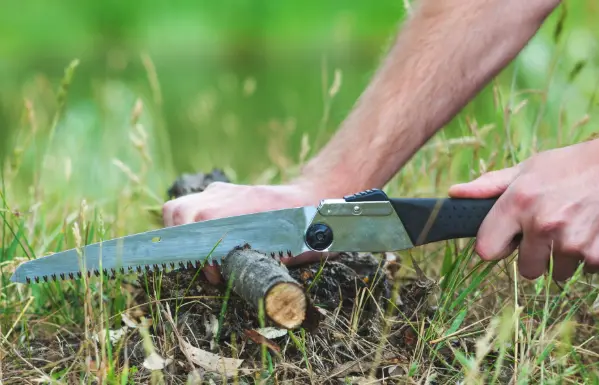
3 Main Types of the Best Camping Saw (Pros & Cons for Every Trip Style)
1. Folding Camping Saw (Most Popular All-Rounder)
Pros: Lightweight, easy to carry, integrated safety lock, curved blades boost cutting speed, dual-sided teeth work on green and dry wood
Cons: Blade length limits cutting diameter for extra-thick logs
Best for: Weekend car camping, day hiking, bushcraft beginners, small backpack loads
2. Bow Camping Saw (Heavy-Duty Log Cutting)
Pros: Replaceable, cheap blades, deep cutting depth, smooth cuts on thick hardwood, affordable replacement parts
Cons: Bulkier than folding saws, extra frame weight for ultralight backpackers
Best for: Base camp stays, group camping, trail crews, cutting 6–12 inch diameter logs
3. Pocket Chain Survival Saw (Ultralight Backpacking & Emergency Kits)
Pros: Near-zero pack weight, fits cargo pants pockets, works on extra-thick branches when wrapped around wood
Cons: Requires more pulling effort, slower cutting for daily campfire prep
Best for: Thru-hiking, emergency survival kits, minimalist ultralight camping, backpackers cutting every ounce of load weight
Must-Have Features to Pick the Best Camping Saw
- Premium Blade Material (Non-Negotiable)
SK5 carbon steel and 65Mn manganese steel are industry standards for top camping saw blades. These materials hold sharp edges hundreds of cuts longer than low-carbon steel and resist bending when cutting dense hardwood. Budget saws with thin soft steel dull after one camping trip and warp on thick branches.
- Tooth Count & Triple-Ground Teeth Design
6–8 TPI (teeth per inch) balances fast cuts and smooth finishes for mixed green/dry wood. Triple-ground, impulse-hardened teeth clear sawdust without binding—critical to stop blades jamming mid-cut. Dual-cut teeth slice efficiently on both pull and push strokes to cut labor time in half.
- Secure Safety Lock Mechanism
The best folding camping saws add double safety locks: one to hold blades rigid open during cutting, another to lock fully closed for transport. Loose, flimsy locks cause dangerous accidental blade slips in backpacks.
- Ergonomic Non-Slip Handle
Rubberized, moisture-wicking grip handles prevent slipping when hands sweat or get wet from river crossings and morning dew. Large palm swell fits big hands, while slim profile options suit small hands for extended cutting sessions without blisters.
- Lightweight & Compact Closed Size
For backpacking models, target under 8 ounces total weight. Car camping bow saws can run 10–16 ounces for heavy cutting without overburdening vehicle storage. All top designs collapse under 10 inches long when folded.
- Rust-Resistant Coating
Black oxide or anti-corrosion blade coatings protect against rain, lake water, and damp forest ground storage, extending the saw’s service life across years of camping trips. Uncoated blades develop rust spots after one wet campout.
- Replaceable Blade System (Long-Term Value)
High-end bow and folding camping saws support interchangeable blades. Instead of buying an entirely new saw when the teeth dull, swap in affordable replacement blades to cut long-term outdoor gear costs.
Top Scenarios to Use the Best Camping Saw
Campfire Kindling & Firewood Prep
Backcountry Trail Clearing
Bushcraft Shelter Building
Emergency Survival Situations
Post-Camping Campsite Cleanup
Common Mistakes When Shopping for the Best Camping Saw
- Prioritizing ultra-low price over blade steel quality: Cheap thin steel blades bend and dull quickly, requiring frequent replacements that cost more long-term
- Ignoring safety locks: Unlocked folding saws risk puncturing backpack fabric or cutting skin during transport
- Choosing overly long blades for backpacking: Extra blade length adds unnecessary weight for short day trips and small kindling jobs
- Skipping anti-rust coating: Unprotected blades corrode rapidly in humid, coastal, or rainy camping environments
- Picking single-sided teeth saws: Single-cut designs double the cutting effort and jam easily in dense green wood
Frequently Asked Questions About the Best Camping Saw
H3: Is a folding camping saw better than a pocket chainsaw?
H3: What size blade works best for general camping?
How do I maintain my camping saw to extend its lifespan?
Can a camping saw cut green live tree branches?
Final Tips to Choose Your Perfect Best Camping Saw
- Minimalist backpacking/emergency kits: Pocket chain camping saw
- Weekend car camping, bushcraft beginners: Standard folding camping saw
- Base camp group trips, heavy log cutting: Collapsible bow camping saw
Post time: 08-05-2026