Understanding the sheer variety of cutting tools on the market can be overwhelming. From massive factory machinery to highly precise handheld implements, choosing the right cutting tool determines the absolute success of your work. This article is incredibly valuable because it breaks down the complex world of cutting instruments into easily digestible, understandable segments. Whether you are a large-scale hardware distributor learning what construction professionals demand, or a dedicated craftsman upgrading your tool kit, this guide will illuminate the exact equipment you need. We will explore everything from blade materials to advanced ergonomic handle designs.
What is a circular saw and when should you use one?
You cannot discuss modern construction without mentioning a power saw. A circular saw is arguably the most recognized and essential tool on any active job site. It features a rapidly spinning circular saw blade that easily bites through thick lumber and plywood. Why is it so popular? It combines extreme portability with raw, heavy-duty power. If you need to make straight cuts quickly on a driveway or a roof, this is your go-to choice.
There are multiple types of power options for a circular saw, including traditional corded models and modern lithium-ion cordless versions. A corded circular saw provides endless energy for continuous, repetitive cutting. On the other hand, battery-operated versions offer incredible freedom. Every single type of saw in this category relies heavily on the quality of its blade. If the teeth are dull, the electric motor strains, the battery dies quickly, and the wood burns.
Importers and wholesale buyers constantly look for a circular saw that perfectly balances weight with long-term durability. A heavy saw quickly tires the user's arm, but a flimsy one breaks on the first drop. This versatile power tool is essential because it allows workers to slice massive sheet goods down to manageable sizes anywhere. The versatility of a circular saw makes it a true cornerstone of the modern building industry.
How does a table saw compare to a track saw or panel saws?
When precision is absolutely non-negotiable, professionals turn to stationary power saws. A table saw is the beating heart of any custom cabinet shop. You carefully push a piece of wood across the perfectly flat metal table and directly into the spinning blade. A table saw is incredibly accurate for ripping long boards perfectly parallel. These machines are heavy, stable, and built to last a lifetime.
However, pushing larger pieces of wood through a table saw can be highly dangerous and awkward without help. This is exactly where a track saw shines. Instead of moving the heavy wood, you lay an aluminum metal track on the material and smoothly glide the tool over it. While a track saw offers table-saw quality cuts, it remains completely portable. It is phenomenal for breaking down heavy plywood sheets alone.
In massive commercial production facilities, panel saws take this concept a step further. These giant machines hold massive wooden sheets vertically, saving precious floor space. Whether you use a table saw or a track saw, you are primarily looking to cut wood with absolutely zero splintering. Sometimes, you even need to join two pieces of wood seamlessly. These machines make the precise, flat edges required for that perfect fit. They seamlessly cut through wood, saving hours of manual sanding and planing.
Why choose a miter saw or a compound miter saw?
A miter saw is an absolute staple for trimming the inside of houses. You bring the blade down onto the material from above to make fast, perfectly accurate crosscuts. They are fantastic for cutting baseboards, delicate crown molding, and heavy framing studs. Among the different types of saws available to carpenters, the miter saw is universally loved for its incredible speed and safety.
If you need to cut complex angles on two planes simultaneously, you must upgrade to a compound miter saw. This dual-action machine tilts sideways as well as pivoting left and right. This allows carpenters to cut complex crown molding angles without doing complicated mathematics in their heads. These saws feature laser guides now to show exactly where the blade will strike the wood.
Sometimes people refer to a basic version of this tool as a chop saw. A chop saw is usually used for heavy metalworking, featuring an abrasive grinding disc rather than a toothed steel blade, but the physical mechanics are very similar. These common types of tools speed up daily production incredibly. If you are selecting a specific type of saw for a busy framing crew, a robust miter saw or compound miter saw is absolutely mandatory.
What makes a band saw or a scroll saw unique?
When your woodworking project requires cutting a delicate curve, you must step away from circular blades entirely. A band saw uses a continuous loop of metal with teeth, driven by two large spinning wheels. Because the blade moves continuously downward, a band saw safely pulls the workpiece directly into the metal table. This makes it incredibly safe and highly accurate for resawing thick lumber into thin, beautiful slabs.
If the curve is extremely tight and intricate, a scroll saw is the better choice. This tool works like an automated coping saw, moving a tiny, hair-thin blade rapidly up and down. This allows the artisan to cut highly detailed patterns, like wooden jigsaw puzzles or delicate holiday ornaments.
You can cut different materials on a band saw depending on the specific blade you install. Metal, wood, thick plastic, and even frozen meat can be processed. There are several kinds of blades available, ranging from wide, aggressive tooth patterns to a fine, narrow blade that weaves through tight corners effortlessly. Many types of artists rely on a band saw to bring their creative visions to life in the workshop.
Why is a hand saw still essential today?
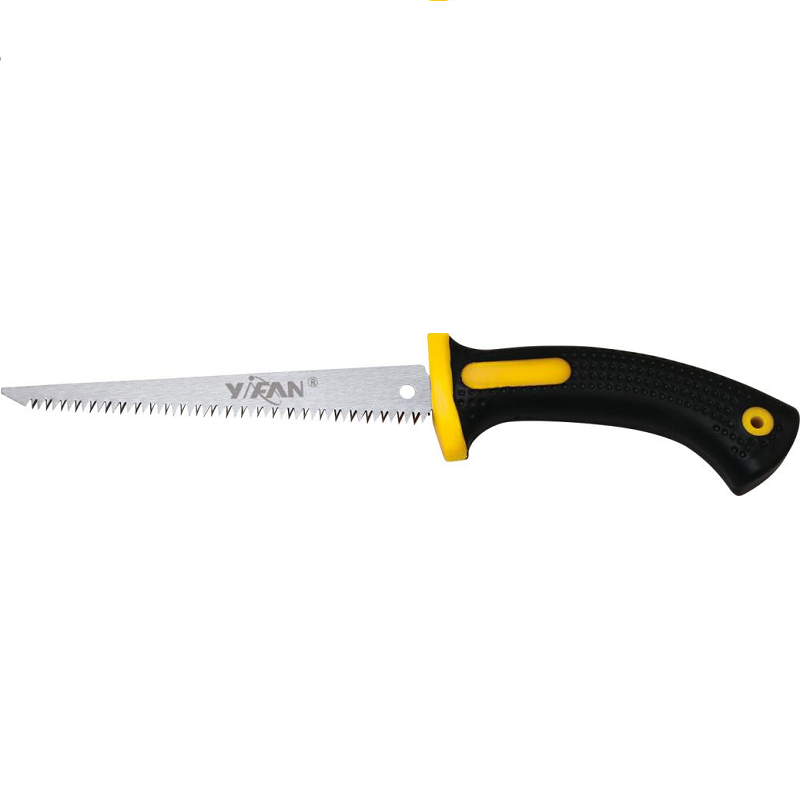
Despite the rapid rise of electricity, the traditional hand saw is definitely not obsolete. A high-quality hand saw does not require lithium batteries, extension cords, or complex setup time. You just grab it from your toolbox and go to work. Saws take only seconds to deploy, making them perfect for quick, unexpected jobs on the site.
A hand saw requires physical effort, but it offers unparalleled tactile control. If you are doing delicate finish work, handheld saws give you sensory feedback that a loud, spinning motor completely masks. You can literally feel the wood grain yielding to the steel. For general construction lumber, a crosscut saw is the standard choice. A crosscut saw slices directly across the wood fibers, utilizing sharp teeth like tiny knives to sever the grain cleanly.
These are undeniably small saws compared to a giant table cabinet saw, but they pack a serious punch. Every single tool kit needs a hand tool for those moments when power is unavailable or unsafe. In fact, a specialized Hand saw manufactured with premium SK-5 high-carbon steel and an ergonomic TPR grip is highly sought after by wholesale buyers. They know their retail customers demand reliable, rust-resistant tools. This type of saw provides extreme value and longevity.
When is a pole saw used for pruning trees?
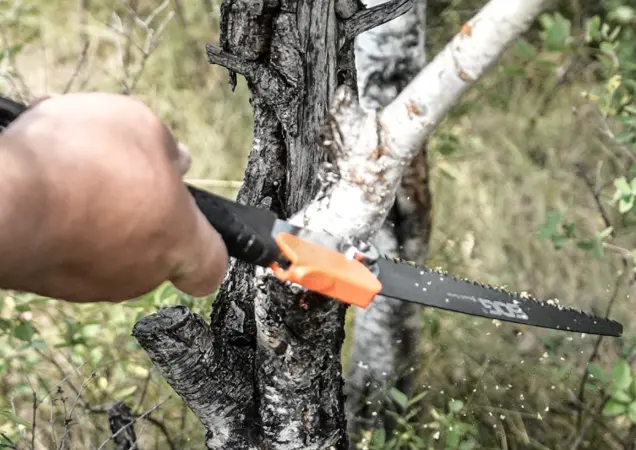
Landscaping requires highly specialized equipment because trees simply do not grow at convenient heights. A pole saw is essentially a sharp cutting blade attached securely to a long, extendable stick. A pole saw is exclusively used for pruning trees safely from the ground. This completely eliminates the dangerous need for wobbly ladders.
Sometimes, a manual tree trimmer features a bow cut saw utilizes a tensioned blade that aggressively clears out green wood and sap. This cut saw is designed specifically to prevent binding in wet, sticky branches. Such saws are commonly used by municipal city workers and orchard managers who process hundreds of trees daily.
When you use a Pole Saw, your main goal is leverage. The long handle greatly magnifies your pulling force. A specialized pruning blade with triple-ground teeth makes incredibly quick work of thick overhead branches. For heavy-duty yard maintenance, absolutely nothing beats it.
How do you cut tile with a tile saw?
Woodworking isn't the only building trade that requires heavy cutting. This wet cutter is a unique piece of equipment designed specifically for masonry and ceramics. You cannot cut a delicate tile with a standard toothed wood blade; the material will shatter instantly into dangerous shards. Instead, a tile saw uses a diamond-encrusted steel disc.
This saw is designed for cutting extremely hard, brittle surfaces like granite and porcelain. Because friction creates immense heat, a tile saw usually features a small water pump. The water constantly cools the spinning diamond blade and effectively suppresses harmful silica dust. These saws are ideal for bathroom renovations or building custom kitchen backsplashes.
If you are fully remodeling a house, you will inevitably encounter different types of materials. You must actively push the tile slowly through the wet blade, letting the tiny diamonds grind away the material rather than slicing it. This prevents the tile from cracking and ensures a perfect, factory-smooth edge.
What defines a reciprocating saw and a jigsaw?
Demolition work is fundamentally messy, aggressive, and unpredictable. A reciprocating saw thrives in this exact chaos. This heavy-duty power saw features an exposed front blade that violently pushes and pulls back and forth. A reciprocating saw is an absolute beast; it easily destroys old wooden framing, cuts cleanly through thick nails, and dismantles rusty plumbing pipes.
On the complete opposite end of the precision spectrum is the jigsaw. A jigsaw is a versatile power tool that also uses a push-pull blade, but it is much smaller and points downward through a flat metal baseplate. A jigsaw is perfect for making curved cuts in wood, like cutting a perfect circle out of a kitchen countertop to drop in a sink.
These saws allow builders to work comfortably in highly confined, awkward spaces. While a large circular machine requires a long, flat runway to operate, a jigsaw can turn on a dime. They both make cuts in wood effortlessly, but they serve drastically different phases of the overall construction process.
How do a japanese saw and back saws differ?
Eastern and Western woodworking traditions have evolved very differently over centuries, and their cutting tools reflect this beautifully. A japanese saw cuts entirely on the pull stroke. Because pulling puts the steel blade under tension, the metal can be incredibly thin. This results in a remarkably thin kerf (the width of the cut slot), which saves human energy and leaves a glass-smooth finish on the board.
Conversely, traditional Western back saws cut heavily on the push stroke. Pushing physically forces the steel to compress, meaning the blade must be thicker to avoid bending and buckling. To keep the blade perfectly straight, these tools feature a heavy brass or steel spine (or "back") folded tightly over the top edge. Saws look quite different visually depending on which global tradition they actively follow.
A Japanese saw is designed to cut with minimal resistance, making it highly favored for intricate, delicate joinery. Meanwhile, Western dovetail saws—a specific type of back saw—are heavily used in woodworking for creating the robust, locking joints on high-end cabinet drawers. Both are phenomenal tools, but they require entirely different body mechanics to operate successfully.
What are specialized saws like the bow saw and bone saw?
Beyond general home construction, there is a massive, fascinating world of specialized saws. A bow saw looks exactly like a giant archer's bow. A bow saw uses a thick, aggressive blade tensioned tightly across a tubular metal frame. It is heavily utilized for bucking heavy logs and clearing dense, heavy brush. It is a vital tool for outdoor forestry work.
In the precise medical and culinary fields, a bone saw is absolutely crucial. A bone saw is sterilized and features specific teeth designed to cut through dense calcium without splintering or shattering. It operates somewhat similarly to a standard hack saw. A hack saw is another frame-based tool, but it is equipped with a fine-toothed blade explicitly designed to cut wood and metal—specifically hard steel pipes, rebar, and bolts.
For highly detailed interior trim work, you might choose a coping saw or a delicate fret saw. This type of saw consists of a very thin wire-like blade stretched in a D-shaped metal frame. A coping saw is used for cutting intricate profiles on wooden trim, allowing baseboards to fit tightly together in inside corners. A fret saw is even finer, used for delicate wood marquetry. There are also sharp keyhole saws and drywall saws. Drywall saws feature an aggressively pointed tip so you can punch directly into sheetrock to cut square holes for electrical outlets. Another highly interesting tool is the veneer saw, which has a small, curved double-edged blade used solely for slicing thin sheets of expensive wood veneer.
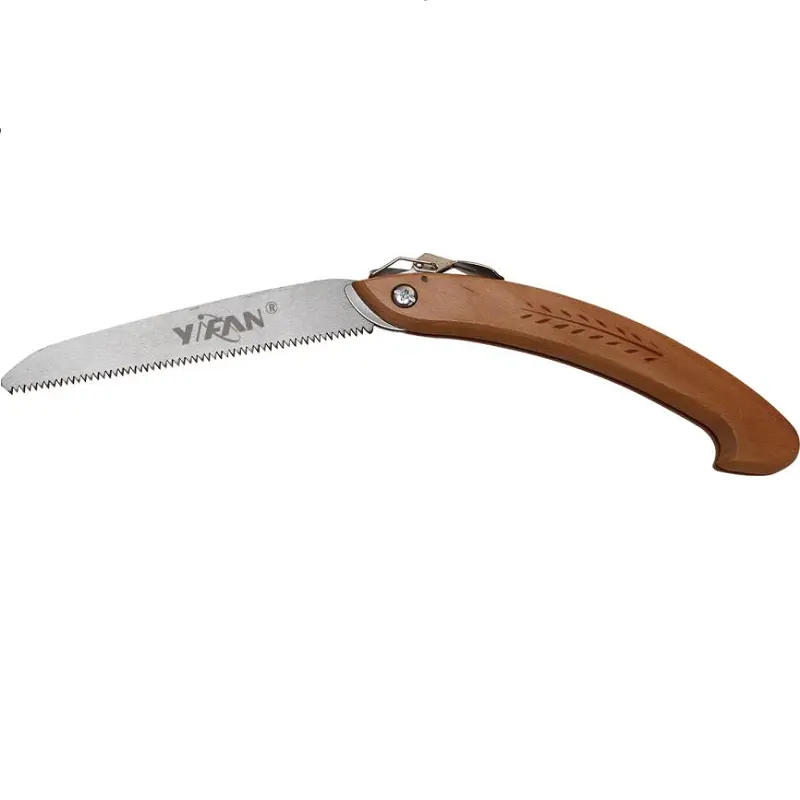
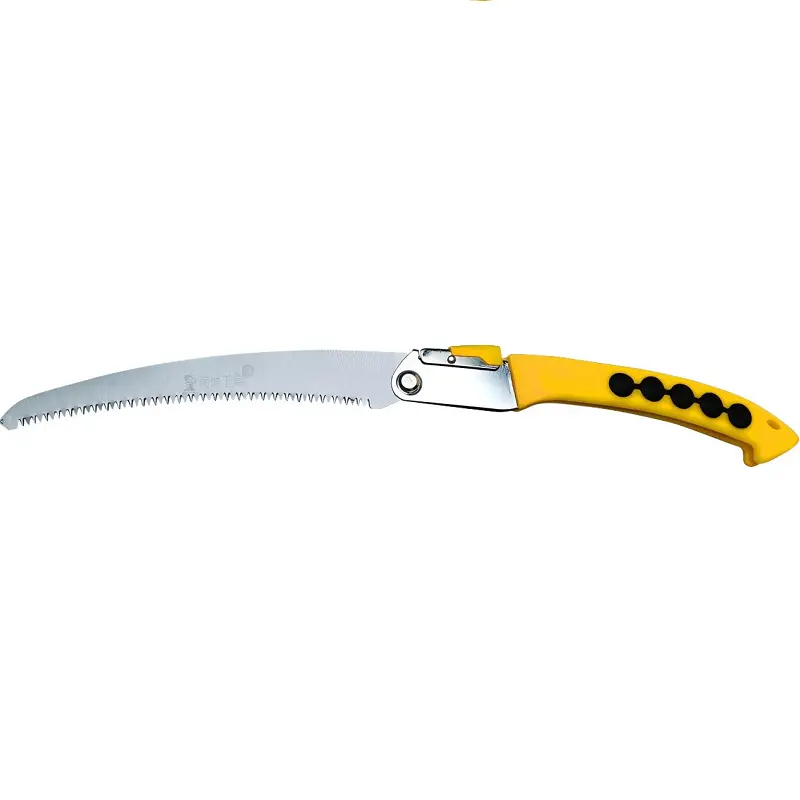
Many types of specialized jobs constantly require these unique instruments. Some saws available on the market are highly niche but life-saving. For instance, a Folding saw is a specific type of portable tool highly favored by campers and hikers, offering a hidden blade for ultimate safety. Another brilliant example is a Waist saw, which arborists strap tightly to their belts for immediate, safe access while climbing tall trees. This saw as you might expect, must be lightweight but extremely durable.
Saws are often used in bizarre, unexpected ways, but they always rely on sharp teeth to get the job done. A saw is a small investment that yields massive, continuous returns in daily productivity. Saws are also continuously evolving with better TPR ergonomics and harder SK-5 steel quality. Saws are commonly used across every single industry on the planet today. Saws are used to build our homes, harvest our food, and create our beautiful furniture. Saws require respect, careful maintenance, and deep skill to truly master. If you pick the right saw for your next project, you will instantly save yourself countless hours of severe frustration. Saws that cut cleanly leave behind work that professionals can truly be proud of. Commonly used to cut everything from soft plastic to hard titanium, the ongoing evolution of the saw is a brilliant testament to human engineering. These saws typically run on pure human sweat or high-voltage batteries, but their purpose remains the same. This saw has a long history, and its future is incredibly bright.
A Quick Guide to Power Saws vs. Hand Tools
| Category | Key Advantages | Best Use Cases |
|---|---|---|
| Stationary Power Saws | High precision, repeatable cuts, heavy-duty motor capacity | Cabinetry, milling rough lumber, ripping large plywood sheets |
| Handheld Power Saws | Excellent portability, fast speed, high torque power output | House framing, heavy demolition, active site carpentry |
| Traditional Hand Tools | No electricity needed, extremely safe, highly precise control | Fine joinery, tree pruning, trim detailing, very tight spaces |
"The true mark of a master craftsman isn't just in the skill of their hands, but in the careful, deliberate selection of their tool. A well-made saw is simply a sharp extension of the human arm."
Summary of the Most Important Things to Remember
- Always match the type of saw exactly to the specific material and the cut required; using the wrong tool instantly ruins the material.
- Large stationary machines like the table saw provide absolutely unmatched precision for ripping long boards, while a track saw offers similar accuracy with the huge added benefit of site portability.
- For making fast, highly accurate crosscuts and angle work, a miter saw or compound miter saw is the absolute industry standard worldwide.
- Cutting a curve requires highly specialized tools: actively use a band saw or scroll saw for intricate indoor shop work, and a jigsaw for on-site sink hole cutting.
- Traditional handheld saws like the japanese saw or back saws are still incredibly vital for fine woodworking and delicate, tight joinery.
- Always invest heavily in high-quality replacement blades, as even the most expensive, powerful circular saw is completely useless with dull teeth.
- Maintain your cutting equipment relentlessly—keep blades totally clean of sticky sap, oil the metal to prevent surface rust, and store them safely away from moisture.
Post time: 05-20-2026